

























































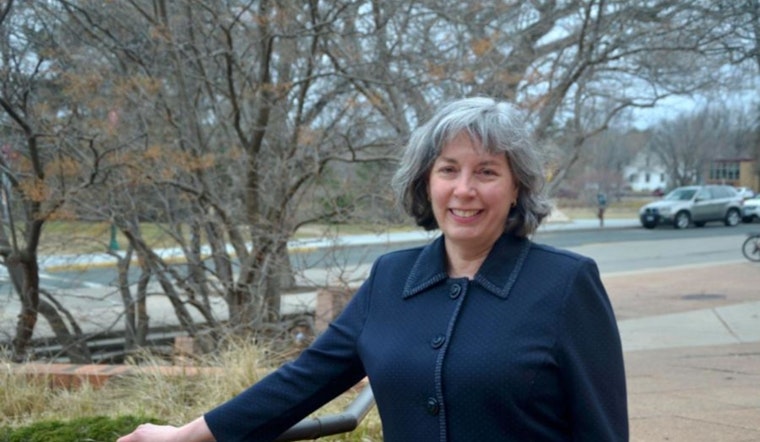
Retirement is not just a moment to hang up the hat but a complex journey that needs careful navigation, says Kate Schaefers, director of the Osher Lifelong Learning Institute at the University of Minnesota. In a recent discussion, she broke down the realities of retirement and how to smooth out the road to golden years. She pointed out that retirement should be thought of as a dynamic process involving pivots and continuous adjustments rather than a single transition event.
For many, deciding the right time to retire is tricky, Schaefers told University of Minnesota News. It's about considering the entire picture of what's most important to the individual, incorporating factors like personal values, what works for them, and the financial aspect of funding retirement lifestyles. She outlined a growing trend of "unretirement," where retirees return to work, driven by necessity or choice, often in flexible capacities like part-time or consulting roles. This counters a notable statistic from a 2023 Gallup survey, which showed that a mere 39 percent of workers aged 50–64 believe they will have enough money to live comfortably in retirement.
The road that leads away from a full-time career also presents unexpected hurdles, such as underestimating the impact of losing regular social interactions at work. "We underestimate the importance of friendships, teamwork and sense of belonging that comes from our work," Schaefers emphasized. The shift from having a stable income to relying on retirement savings can also be psychologically daunting. She recommends a robust budget and possibly a part-time job as strategies to alleviate fears about outliving financial resources.
In planning for retirement, flexibility remains a critical strategy. "Plans are worthless, but planning is everything," Schaefers quoted Dwight D. Eisenhower. She suggested setting plans for essential aspects of one's life – like health, finances, and relationships – while staying flexible to life's unpredictability. Creating a structured routine can help retirees avoid feeling lost without the work routines they're accustomed to, but the trick is to focus on what truly matters first, she told University of Minnesota News.
The U of M is serving up a remedy for retirees seeking engagement through their Osher Lifelong Learning Institute, which offers courses, clubs, and volunteer opportunities tailored for the retired population. To soften the transition into retirement, the OLLI is featuring free online spring lectures on topics ranging from cancer research to the latest in diabetes drugs. These can be accessed every Thursday from March 28 to May 2, allowing retirees to sample the rich offerings from the comfort of their homes.




