

























































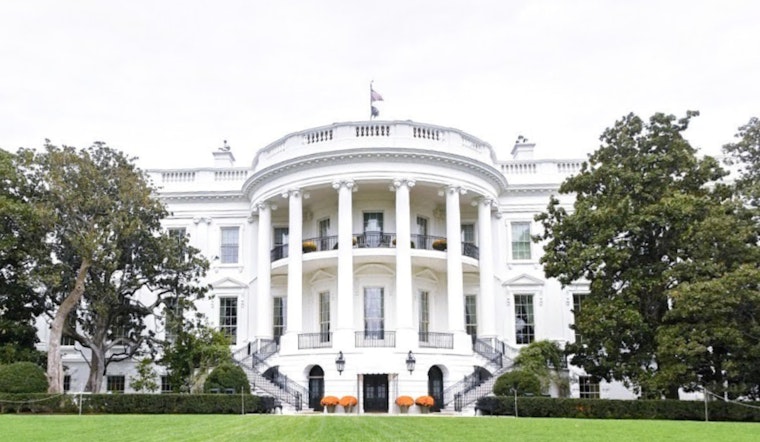
In a bid to directly address the persistent disparities in mental health services, the White House Office of Public Engagement recently hosted a roundtable focused on the mental health of Black men. According to a statement released by the White House, the event featured a powerful lineup of participants, including celebrities and experts like actor Courtney B. Vance and psychologist Dr. Robin L. Smith. They have gathered together to openly discuss and to suggest solutions to the challenges faced by Black men in accessing mental health care.
Under President Biden's administration, the urgency to successfully tackle mental health issues in America, especially among communities of color, has intensified. The roundtable follows the 2022 launch of a comprehensive mental health strategy, which includes the introduction of the 988 mental health hotline, the expansion of community mental health centers, and the establishment of Centers of Excellence. These initiatives aim to ensure culturally competent and accessible quality care for those in need. Notably, Biden's proposed budget for Fiscal Year 2025 earmarks substantial funding to further bolster mental health and substance use support services across the nation.
Keynote speakers at the event such as Vance and recording artist Raheem DeVaughn shared insights based on their experiences and advocated for increased awareness and support for Black men dealing with mental health challenges. They were joined by public health analyst Dr. Walker Tisdale, who reiterated the need for robust solutions in addressing the mental health crisis.
As the discussions during the roundtable emphasized, the Biden-Harris Administration is committed to not only to expanding the existing mental health services but also to transforming how mental health care is delivered and perceived in the United States. This is seen as both a matter of health and of justice, with the focus firmly on ensuring equitable access to mental health resources for all, including historically underserved Black men.





