

























































Gardeners be warned: certain plants could turn your picturesque yard into a botanical nightmare faster than you can say “overgrown.” Arlington Parks & Recreation’s latest advisory throws light on five common culprits that, while initially charming, can quickly monopolize your garden space if left unchecked in the soil. According to a recent article by APRD, these invasive species are better suited for pots than plots if you're looking to avoid an all-out green invasion.
First on the watchlist is Horsetail Reed, an evergreen perennial with a penchant for rapid expansion. Described as "almost impossible to get rid of" once it sinks its roots in, this plant thrives across a vast range of conditions, from sun-drenched clay to the dampest of marshlands. Despite its resilience, Urban Forestry Land Manager Wendy Pappas suggests using Horsetail Reed as “an accent piece” in a confined bed or pot, as reported by the City of Arlington, Texas.
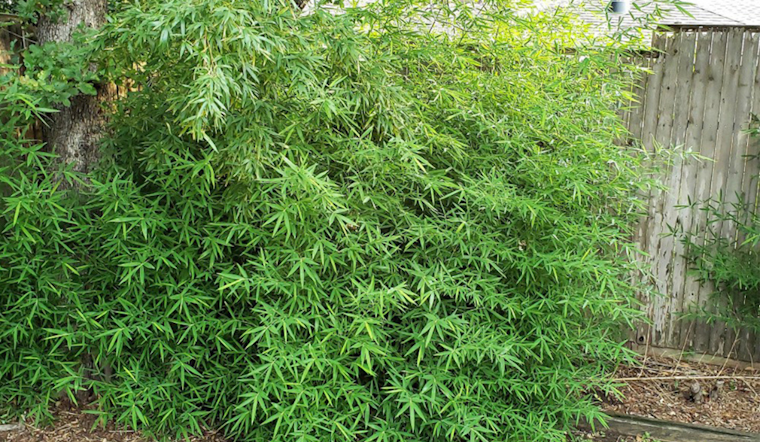
The second plant on the list is not just fast-growing but also a nosy neighbor. Bamboo can create a living green wall in no time, offering privacy at first but leading to an overgrown jungle that knows no bounds. With its capacity to spread to adjoining landscapes, Wendy Pappas from Arlington Parks & Recreation notes, "This plant could take over your landscape and maybe even your neighbor’s landscape at the same time!"
Mint might be a mojito's best friend, but in a garden, it's the adversary of order, swiftly claiming territory with its ground-touching rhizomes. While Arlington Parks & Recreation acknowledges its culinary merits, Pappas recommends, "a small container is recommended to keep it under control," ensuring the mint stays in the kitchen and out of the Kudzu's territory.
Then there's the romantic yet destructive English Ivy, a climbing menace that can reach towering heights and wreak structural havoc in a heartbeat. While Arlington Parks & Recreation concedes its hardy nature, growing where others falter, they serve a stern reminder: "It can even grow through wood or penetrate the mortar between bricks through tiny cracks," compromising the integrity of man-made structures and turning a lush facade into a homeowner's liability.
Rounding out the list is the vibrant Creeping Jenny, its lime green leaves, and rapid growth rate capable of swallowing whole flowerbeds. This ground cover might be easy on the eyes, but Pappas warns would-be planters to "be prepared to weed constantly" lest it trample every other species in its path. Some regions have even banned Creeping Jenny due to its invasive nature – a testament to its zealous spread.
So before you sow, consider confining these eager greens to containers, lest your dream garden morphs into a vegetal vortex of unrelenting proliferation. The full report from APRD serves as a potent reminder to all green-thumbed enthusiasts that containment is key when it comes to these five aggressive growers.




