

























































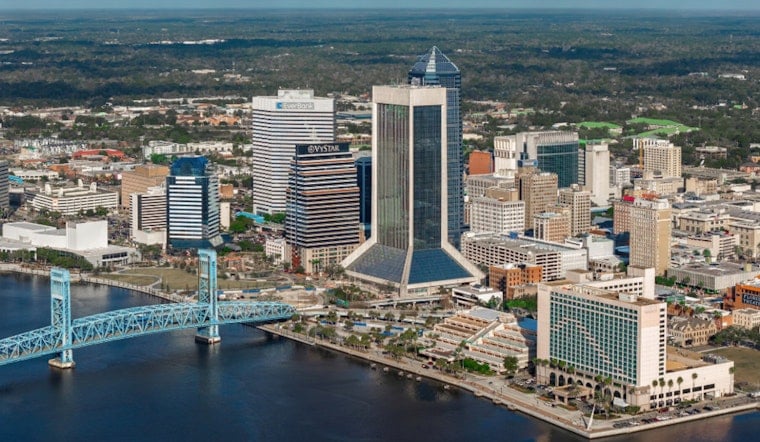
Jacksonville is back among America’s most popular destinations for long-distance movers, joining a Sun Belt migration that is reshaping where families live and how their personal information travels. The summer relocation rush is not just about finding a cheaper home or a new job; every lease, utility account and forwarded envelope can also create another trail for data brokers and scammers.
Affordability is driving the shift, with 58% of Americans naming it their top reason for relocating in 2026, according to PODS. The company’s rankings put Jacksonville at No. 10 among the top move-in metros, with Dallas-Fort Worth at No. 3 and Knoxville at No. 8; Florida and Tennessee tied for the most represented states in the broader top-20 list.
A recent ABC17 News report argues that a move can leave a person temporarily difficult to locate online because private and public databases update on different schedules. The page identifies the package as produced by PeopleFinders and distributed by Stacker, so its privacy advice is best treated as consumer guidance rather than an official government warning.
Moving Paperwork Creates A New Scam Opening
The most immediate risk is not that every database updates instantly, but that movers are suddenly juggling a dozen sensitive transactions at once. A fake change-of-address page or text can collect a name, address, payment-card details or other information before the resident realizes the message never came from the Postal Service.
The Federal Trade Commission has warned about phony USPS messages that send people to look-alike websites designed to steal personal or financial information. The agency says consumers should verify delivery and postal information independently instead of clicking unexpected links.
For the actual mail-forwarding process, the U.S. Postal Service says movers can file online or at a post office, with online requests subject to identity verification and a small authentication charge. USPS also advises residents to notify banks, insurers, utilities, internet providers, the DMV and other organizations directly rather than assuming one change-of-address form will update everything.
How Jacksonville Movers Can Limit The Digital Trail
Before the moving truck arrives, update financial, insurance and utility accounts through each company’s official website or app. Do not use a link sent by text, email or an online advertisement, especially if it demands an activation fee or threatens a service shutoff.
After settling in, movers should review bank statements and credit reports for unfamiliar accounts, watch for missing bills and consider a credit freeze if anything looks suspicious. The FTC’s identity-theft guidance notes that an unauthorized change of address or a new utility account can be an early warning sign.
Jacksonville’s return to the national move-in rankings suggests the city is still benefiting from the broader affordability hunt, even as newcomers face higher housing, insurance and transaction costs. The boxes may be headed to Northeast Florida, but the paperwork—and the privacy concerns—follow close behind.



