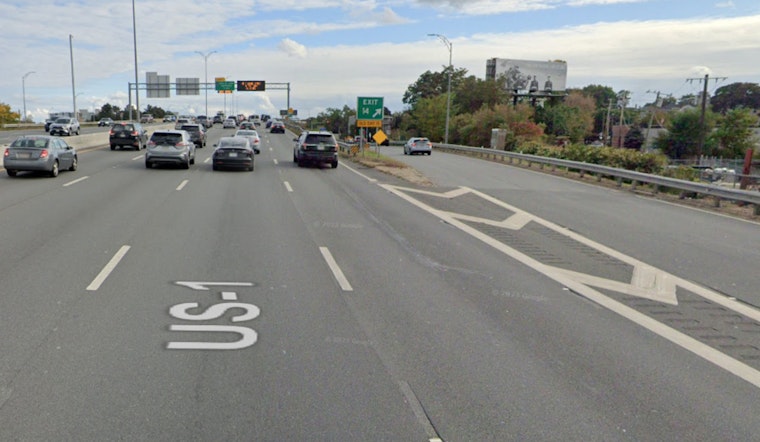
Commuters in Boston were met with an unexpected detour early this morning as high tide waters surged and caused flooding on a major roadway. The Massachusetts Department of Transportation (MassDOT) announced the closure of the I-93-NB Exit 13B Ramp to Morrissey Boulevard, prompting drivers to quickly seek alternative routes to avoid the inundated area.
Flooding in #Boston, the I-93-NB Exit 13B Ramp to Morrissey Blvd is Closed due to Hi Tide. Seek alternate route in the area.
— Mass. Transportation (@MassDOT) April 4, 2024
The high tide's impact was swift, and evidence of climate change's influence on rising sea levels is impossible to ignore. The forced closure disrupted morning traffic, leaving many to unexpectedly have to reroute their daily commute. MassDOT advised motorists to exercise caution and to plan ahead for additional travel time due to the closure.
As the waters began to recede, crews were dispatched to assess the ramp for damage and to ensure it was safe for re-opening. The floodwaters not only presented a hazard to drivers but also highlighted the greater issue of Boston's vulnerability to flooding amidst the city's ongoing battle against the rising tides.
Local authorities are continuing to monitor the situation and work on strategies to more effectively manage similar events in the future. As the city aims to become more resilient in the face of climate change, the need to adapt quickly to such situations becomes increasingly evident. The recurrent flooding episodes have galvanized public and governmental awareness around infrastructure weaknesses and the critical need for investment in sustainable urban planning.