

























































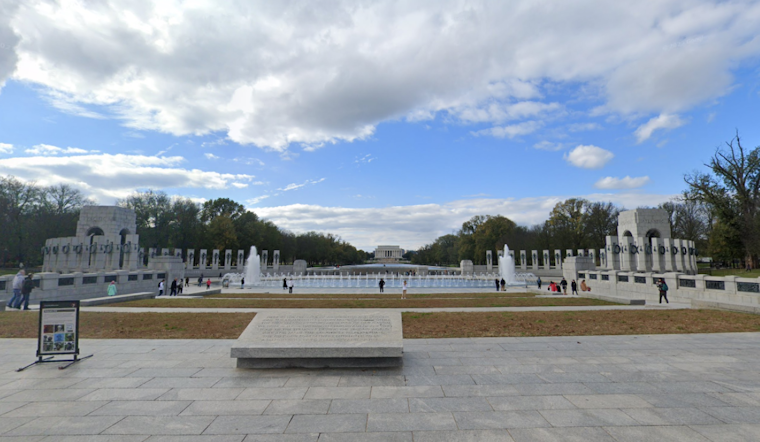
A sea of demonstrators flooded the National Mall on Sunday, their voices rising in unison to demand the release of Israeli hostages held in Gaza. Marking six months since the devastating Hamas attack, the protest mirrored the sentiment found in the streets of Tel Aviv, where tens of thousands rallied for the same cause. As per DC News Now, from the Washington Monument to the Lincoln Memorial, the message was clear: "Bring them home."
At the heart of the Washington march, emotional connections to the crisis were palpable. Jolie Bain-Pillsbury of Arlington, having friends within one of the hostage's families, expressed to DC News Now the terrible price being paid by those left waiting, "they’ve paid a horrible price since the attack." Meanwhile, Israel’s Defence Minister Yoav Gallant stated that Israeli troops were repositioning to prepare for future operations in the Gaza region, particularly in the city of Rafah. Amidst the ongoing conflict and rallies, mediators resumed ceasefire talks in Cairo, reported Al Jazeera. Their presence includes the Qatari prime minister and the CIA chief, though the participation of high-level Israeli officials remains unconfirmed.
In Israel, public opinion has soured against Prime Minister Benjamin Netanyahu, with successive opinion polls since October 7 predicting defeat against centrists should an election be called. The recent protests across Israel, some organized by groups that were pivotal in last year's mass demonstrations, demand not only the release of hostages but also signal a deeper discontent with the current administration. NDTV highlighted the chant for action and accountability which encompasses more than just the immediate humanitarian plea.
The shadow of the ongoing conflict has left a heavy toll, with at least 33,175 Palestinians killed and 75,886 wounded, according to Al Jazeera. On the Israeli side, the death toll stands at 1,139 since Hamas's attack on October 7, with dozens of individuals still captive. As the international community watches the unfolding geopolitical drama, the onslaught drones on, scribing a narrative of loss and desolation where the civilians are the unwilling participants and scapegoats of a conflict larger than life, echoing the marchers' cries—echoes that, however fervently chanted, still await a response.





