

























































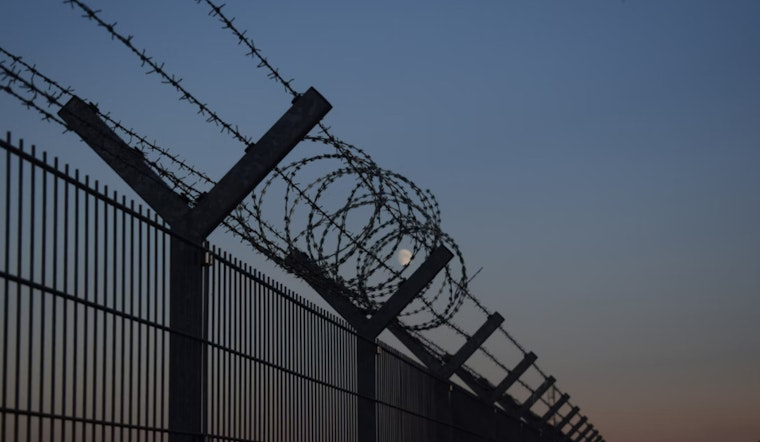
Over 200 migrants were taken into custody following what has been described as a "border riot" on March 21st, during which the El Paso District Attorney's Office reports National Guard members were assaulted as part of a chaotic episode that led to misdemeanor rioting charges. In what has become a sensitive flashpoint for both immigration policy and public safety, the individuals—reportedly part of a larger group of about 1,000 asylum-seekers—allegedly rushed a border gate in El Paso, injuring soldiers and breaching a wire barrier.
According to Fox San Antonio, nine migrants initially cut through the barricade and directly assaulted the guards, prompting the arrests; subsequently, El Paso District Attorney Bill Hicks stated that the group punched Guard members in the face and stomped on their knees, with an alleged attempt by one to seize a Guard member's weapon. Despite the violence, a judge ordered the release of several detainees on personal bonds on Easter Sunday, which Hicks reported with an assertion that they likely faced deportation thereafter.
The situation remains tense as Kelli Childress, El Paso's Chief Public Defender, has refuted the charges brought against the migrants, planning to contest what she has called "false" allegations intending to "inflame the public", according to her remarks to El Paso Matters. Childress emphasized that through the legal process, "the real incidents that had occurred that morning" would come to light. "We are armed with the truth and we are prepared to defend our clients in criminal court," Childress promised, signaling a forthcoming courtroom battle over the events of March 21st.
In the meantime, El Paso County Sheriff Richard Wiles has conveyed to El Paso Matters that 111 of the migrants were transferred to ICE custody, with the federal agency set to retrieve another 64 soon, though 39 of the detainees have remained in local jail after Childress waived their right to bond hearings—her strategy allows her continued access to her clients. While Wiles acknowledges the cost of housing these inmates, the overarching concern appears to be their access to fair representation and the disputes arising from their charges.
Texas Governor Greg Abbott had previously issued directives for troopers to apprehend "every illegal immigrant involved for criminal trespass [and] destruction of property," asserting a firm stance on unauthorized border crossings. Amidst this procedural and legal maelstrom, one fact remains evident: the repercussions of the El Paso border incident continue to resonate through local legal systems, the community, and the national debate on immigration enforcement and human rights.





