

























































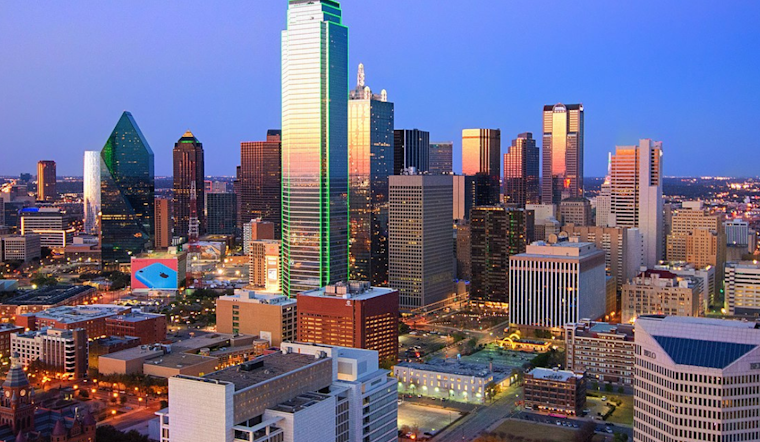
A recent study unveils that parts of the city have become sizzling heat islands, where the mercury soars and vulnerable communities are the hardest hit. The City of Dallas and the National Oceanic and Atmospheric Administration (NOAA) have mapped these hotspots to gauge who's at greatest risk when temperatures spike.
Last summer, as Dallasites sweated under the Texan sun, an army of 70 community volunteers took to the streets to measure just how hot their city was getting. They were on a mission, driving nine different routes that stretched over 100 square miles, armed with sensors that recorded ambient temperature and humidity throughout the day. And the figures, as revealed by the City of Dallas, are arresting – a staggering 60,040 measurements were taken, uncovering a max temperature differential of 10 degrees Fahrenheit and record highs toppling over at 110.1 F.
The heat is no equalizer; disadvantaged neighborhoods are baking in higher temps, with less greenery to offer respite. These areas, sweltering pockets amid concrete and asphalt deserts, include Love Field, Medical District, and West Dallas among others, with environmental justice concerns. According to the City of Dallas, the Office of Environmental Quality and Sustainability plans to complete a citywide map next summer—hoping this data can lead to cooling solutions and some relief for the communities that need it the most.
In neighborhoods like Uptown, Oak Lawn, and Deep Ellum skin can sizzle on the blacktop, but the study isn't just about hotter temps – it's about environmental justice; it's about helping places where tree canopy is scant and vulnerable to heat harsh grip is all the more tightening. The data will help target heat mitigation efforts exactly where they're sorely needed, allowing the City of Dallas to forge strategies and defend its citizens against extreme heat. Full results of the study and the roadmap for future action will reportedly be shared on the initiative's websites, dallasclimateaction.com and greendallas.net.





