

























































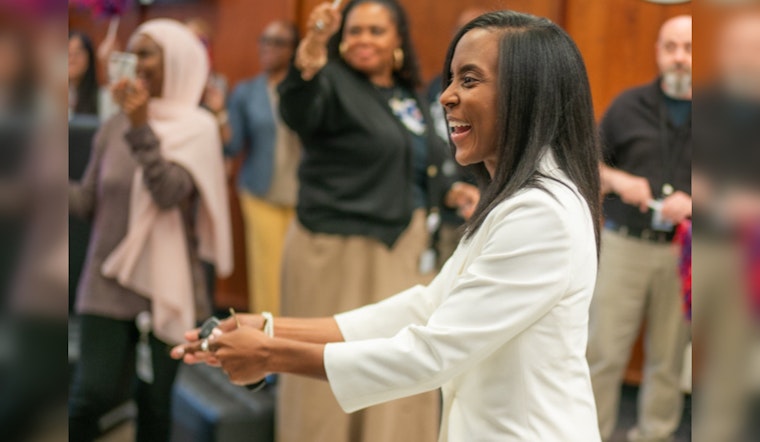
The Memphis-Shelby County Schools (MSCS) community has officially welcomed Dr. Marie Feagins as the new superintendent, ending the long anticipation for a new leader who is expected to usher in a stronger academic era and oversee improvements in the infrastructure of Tennessee's largest school district. Parents across the district are looking to Dr. Feagins to bring her fresh eyes and a new vision, which many hope will rapidly to move the district forward academically and sustainably, as reported by Local Memphis.
Dr. Feagins, who took on the role after a seven-week selection process, initiated a series of introductions with the regional schools to meet with parents and community stakeholders. According to FOX13 Memphis, the superintendent kicked off her introduction tour at Melrose High School, with subsequent stops at Fox Meadows Elementary School and Red Zone Ministries. These visits present opportunities for Dr. Feagins to directly engage with the educational community and to understand better the unique needs that span the entirety of the MSCS.
During her initial day, Dr. Feagins made it clear that her immediate strategy involves a comprehensive consultation phase. This phase serves as a cornerstone of her plan for the first 100 days in the position. This proactive step was underscored by her decision to start in school board District 9, located in the historically significant Orange Mound community. WREG reports that Dr. Feagins expressed these school visits as vital to her "consultation phase," allowing her to get a better grip of the perspectives of district parents, students, and other community members.
As the new MSCS superintendent endeavors to establish a more intimate connection with the community's heartbeat, parents and educators alike are aligning their hopes with her leadership, expecting strategic and passionate decision-making that will elevate the educational experience for students district-wide. The energy surrounding Dr. Feagins' introduction to the district suggests that stakeholders believe she could just be the catalyst needed to spark significant advancements in MSCS.





