

























































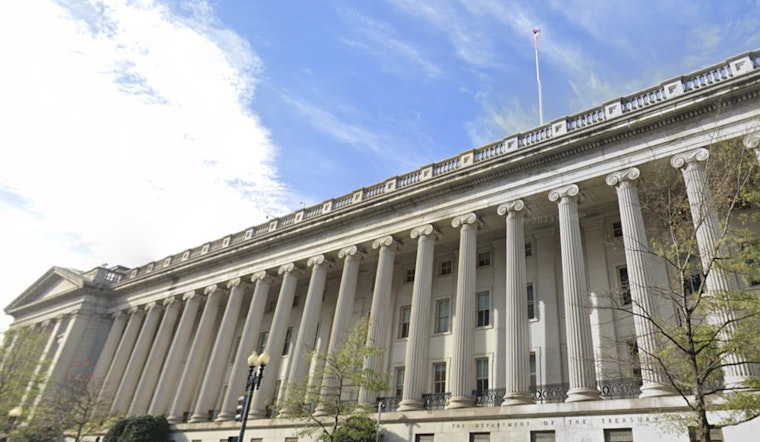
The Treasury and IRS have laid out new rules for homeowners who are making their digs more green, and the bottom line is: keep your receipts. Released to the public on April 5th, the Treasury and IRS's Announcement 2024-19 now clarifies how rebates for eco-conscious property purchases will be treated come tax time. If you're pocketing some cash back for outfitting your home with energy-saving features, that rebate won't be considered income—but there's a catch.
According to the official announcement, when it's time to sell, you'll have to slash the basis of your property—essentially the property's taxable value—by the amount of the rebate you received; saving money on the one hand while needing to remember to adjust the financial standing of your nest egg on the other, all due to the incentives provided by the Inflation Reduction Act (IRA). The IRA has directly linked the rebates to performance-based incentives and has labeled them as such.
It's a move that's got some fiscal hawks nodding in approval. The guidance is expected to encourage more property owners to invest in energy efficiency by offering a clearer picture of the long-term tax implications. By not treating these rebates as taxable income up front, Uncle Sam is giving taxpayers a more immediate financial incentive to go green.
But not unlike any silver lining, this tax cloud does has its complexities. When you eventually decide to sell your upgraded green palace, the process isn't as simple as just counting your gains and losses anymore; your accountant will have a slightly trickier job working out the capital gains tax, since they'll need to take into account the reduced basis of your property, reflective of the rebates, which could have been a blend of state, local, utility or federal incentives—making the historical trail of paperwork more crucial than ever.
Homebuyers and professionals in the real estate sector should note these changes and plan accordingly. While the savings on the initial installation may be immediate, the long-term financial picture requires diligent paperwork and record-keeping. It's evident that the path to a greener America through energy efficiency isn't just an ecological commitment— it's a financial strategy too.





