

























































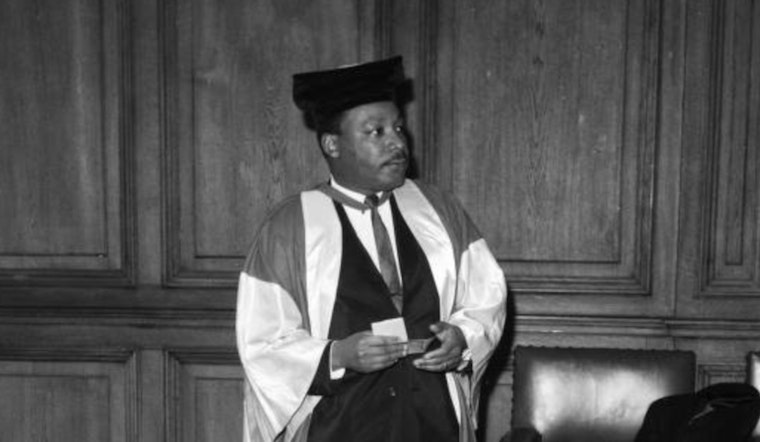
Thursday marked a somber remembrance as thousands gathered at The National Civil Rights Museum to pay tribute on the 56th anniversary of the death of Dr. Martin Luther King Jr. The civil rights icon was shot and killed at the Lorraine Motel in Memphis back in 1968, an event that shook the nation and forever changed the trajectory of the civil rights movement. The museum, which stands on the historic site of King's assassination, saw people from all walks of life come together to honor the legacy of a man whose words continue to resonate with the struggle for equality and justice.
Martin Luther King III, alongside his wife Arndrea Waters King and daughter Yolanda Renee King, made a rare appearance in Memphis for the commemoration ceremonies. The family's presence underscored the deeply personal connection to a national history that continues to not only influence their lives but also inspire broader societal reflections. "I often think about how my life could have been different if Dr. King’s life wasn’t taken," Arndrea Waters King told Local Memphis during the visit.
The National Civil Rights Museum, which envelops the former Lorraine Motel, hosted various events to commemorate Dr. King's extraordinary commitment to civil rights. It was on this hallowed ground that Dr. King was tragically struck down while advocating for sanitation workers' rights, a poignant reminder of the ongoing, often perilous, fight for human dignity. Crowds gathered on this anniversary not just to mourn, but to reflect on the continued relevance of King's message and the progress achieved due to his, and many others', ultimate sacrifice.
"This is a time to remember the powerful impact Dr. King had on our country," was the mood reflected by many who came to pay their respects, as noted by Action News 5. The legacy of Dr. King stretches far and wide, reaching generations that have come of age long after his voice was silenced. It is in quiet reflection and active engagement that many find solace and motivation to continue to march forth in the journey toward fulfilling the promises of equality for which Dr. King so passionately fought.
Memphis, steeped in this historical significance, often serves as a pilgrimage site for those seeking to connect with the civil rights era and its leaders. As reported by ABC News, the King family's visit to the Lorraine Motel, now part of the museum complex, provided a poignant image as they stood on the very balcony where Dr. King was assassinated. Such moments bring to commonplace Americans the gravity and the closeness of history, reminding us all that the work King championed remains unfinished and ever pressing.




