

























































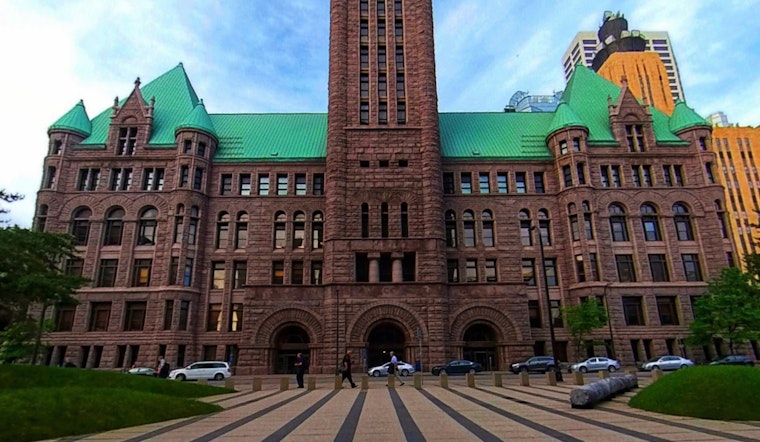
Minneapolis residents are being called upon to weigh in on the city's capital spending plan, a budget that determines the fate of local infrastructure such as roads, sidewalks, and parks. The input will help shape the recommendations of the Capital Long-Range Improvement Committee (CLRIC), an advisory body consisting of mayoral and City Council-appointed citizens who play a pivotal role in influencing which capital projects receive funding in the coming fiscal year.
These listening sessions represent a chance for community members to voice what matters most in their neighborhoods, although the participation process has two methods: attending in person or sending an email to the committee. Northeast Minneapolis will have its session at 6 p.m. on Thursday, April 18 at the Audubon Recreation Center, while South Minneapolis opens its doors at 6:15 p.m. on Thursday, May 2 at the Lynnhurst Recreation Center, giving residents ample opportunity to partake in this democratic exercise.
Additionally, a joint public hearing with the CLRIC and the Planning Commission is set for 6 p.m. Thursday, May 9, at the Public Service Building. These gatherings offer a platform for open dialogue between city officials and the populace they serve, reflecting a transparent approach to fiscal planning. Details regarding the proposed capital budget requests under consideration this year can be found on the city's official website, where residents can review the specifics prior to the listening events.
Engagement from community members is crucial as it informs the committee's recommendations which, in turn, shape the city's physical landscape and public services for years to come; it's the people’s voices that can direct the trajectory of communal resources, asserting an equitable distribution and recognition of neighborhood needs. Those unable to attend the sessions are urged to articulate their priorities via email, ensuring that all corners of the community have the chance to be heard.



