

























































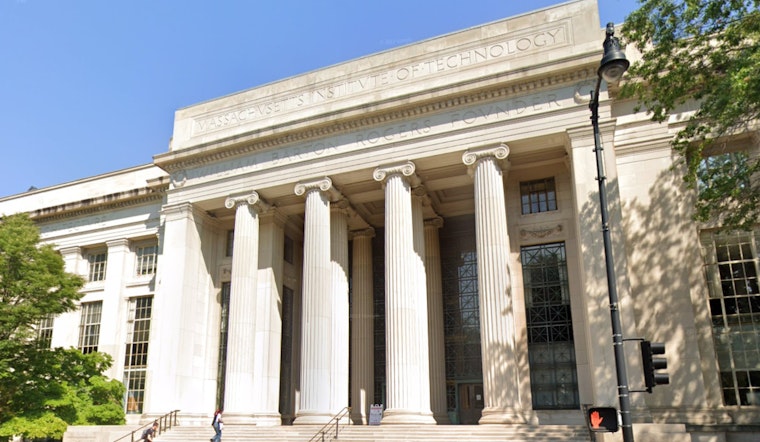
Lavender Tessmer has uniquely married the world of architecture and wearable textiles through a groundbreaking program at MIT. A doctorate student within the School of Architecture and Planning, Tessmer is harnessing computation to radically transform how fabrics function, using state-of-the-art technology that could even be employed into astronaut gear and construction materials. The research, propelled by investment from the Advanced Functional Fabrics of America, highlights the potential for novel uses of textiles beyond the scope of traditional manufacturing processes.
From designing temperature-responsive fibers to integration of padding and sensors in fabrics, Tessmer has managed to consistently push the boundaries of what's conceivable with textiles. “At MIT, my interest in textiles really exploded and became the center of everything,” she told MIT News. This isn't just academic showmanship; Tessmer's work is vigorously aligned to streamline production for real-world applications — she's even already begun to lay foundations for entrepreneurship, seeking to reduce material layers and manufacturing steps.
Although Tessmer's graduate journey was unconventional - diving into a different career path after studying music in her undergraduate years - she soon realized that the systematic and structured processes in architecture could satisfy her creativity and allow her to forge a career in making tangible artifacts. According to MIT News, the high-performance carbon-fiber braided structures she hand-made into large-scale nets, bore an uncanny resemblance to her previous installations.
The pandemic particularly underscored the critical role textiles play in health and safety protocols, which has given Tessmer's research an added layer of relevance. Her third project aims to incorporate shape-change behavior in fabrics to better adapt to human contours, potentially replacing the need to manually tailor clothing. Tessmer's commitment to sustainability is evident as she also seeks to revolutionize the use of reinforced concrete beams with textile alternatives. These aren't just academic exercises; they could lead to fundamentally change how industries approach manufacturing, while keeping an eye firmly fixed on the environmental impact.
For now, though Tessmer has integrated her hobby fully into her research, she has no intentions to stop at academia. Exploring the commercial viability of her findings, she has filed multiple patents and hopes to see her methods adopted widely across the commercial textile sector. And whether it's the seamless assembly of footwear or reducing the carbon footprint of concrete, Tessmer’s work seems poised to not only weave new possibilities into the thread of fabric manufacturing but also drastically reduce the steps involved in production. Her story, a testament to innovation and adaptation, signifies the importance of interdisciplinary research in crafting the unforeseen solutions of tomorrow.





