

























































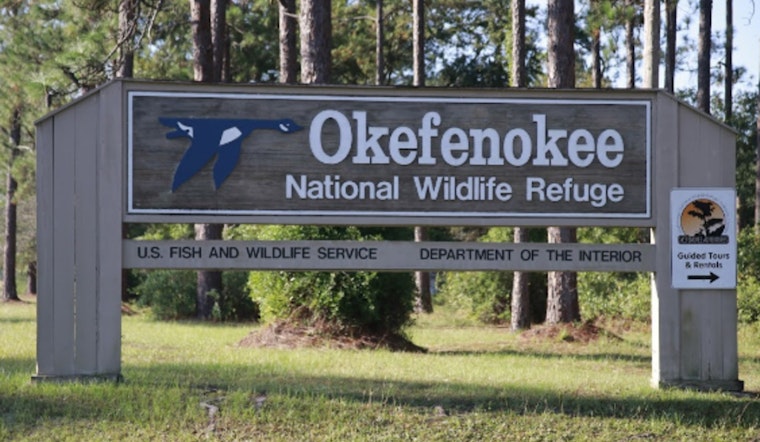
The clock is ticking for those looking to weigh in on the contentious issue of mining near the prized Okefenokee National Wildlife Refuge, with the public comment period on draft state permits set to close this Tuesday. Alabama-based Twin Pines Minerals has ambitious plans to dig for titanium, staurolite, and zircon on the Trail Ridge, a natural formation considered crucial to the integrity of the Okefenokee swamp, drawing over 70,000 comments to Georgia's Environmental Protection Division already, according to WABE.
Proponents are pushing back, suggesting that nixing the mining project is an encroachment on private property rights while citing the potential economic boost from the creation of jobs in the rural area, yet the project has faced resounding opposition from environmentalists and advocates of the Okefenokee, a biodiversity hotspot. The proposed extraction process is feared to pose a significant hazard to the swamp's delicate hydrology, its far-reaching ecosystem, and the region's economy, all of which lean heavily on ecotourism; this stance is echoed by stakeholders inclusive of high-profile personalities such as Leonardo DiCaprio who took to Instagram to rally his 62 million followers against the mine also linking a form letter from the Southern Environmental Law Center on his post.
The Georgia Environmental Protection Division, which issued the drafts in February, is now tasked with sifting through public sentiment and deciding the fate of Trail Ridge's environs, the agency's next steps are anticipated, although a definitive timeline remains nebulous. As Sara Lips, an agency spokesperson, put it, "If necessary, EPD will request changes to the draft permits"; this statement was obtained by WABE.
Amid the discord, Georgia Conservancy has made an appeal, brought to light through its submitted comments, urging for the permits to be declined or at a minimum, subject to stringent conditions that foreclose on any expansion until and unless data can substantiate the mining's safety adjacently to the swamp environments, leaders of the conservation group exacted in their seeking a comprehensive monitoring of groundwater and surface water levels, a safeguard to ensure the refuge's vitality. In the wake of the state Senate's reluctance to pass firmer safeguards for the Okefenokee, the legislative foray stalled, leaving state regulators with a decision that could resonate indefinitely with the legacies of the swamp and nearby communities.
Rena Ann Peck, the Georgia River Network's executive director, asserted that the state legislators' inaction places a burden on the EPD as the "last line of defense for the cherished Okefenokee," with the permitting process now reaching a critical juncture where EPD's verdict holds the potential to irrevocably shape the landscape; this sentiment she delineated in the organization's formal comment, as reported by WABE. Advocates stress that mining operations hold accountable should the storied swamp or St. Marys River suffer as a result of the mining activities, with an insistence on meticulous monitoring throughout the life span of the mining project.



-4.webp?w=160&h=400&fit=crop&crop=edges)
