

























































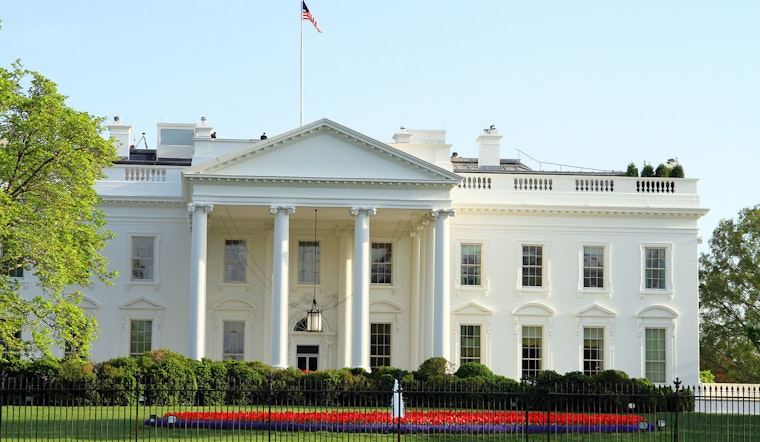
In a decisive move to tackle the potential threats posed by advanced artificial intelligence, a high-level U.S. delegation is gearing up for crucial talks with China, as per a White House statement released on Sunday. The discussions, set to take place in Geneva, Switzerland, on May 14 resume the bilateral commitment first made during last November's Woodside Summit, where Presidents Biden and Xi Jinping acknowledged the pressing need to rein in the risks of sophisticated AI technologies and bolster safety protocols.
Spearheading the U.S. team will be Special Assistant to the President and Senior Director for Technology and National Security Tarun Chhabra, along with the Department of State's Acting Special Envoy for Critical and Emerging Technologies Seth Center. Their aim is to forge a shared understanding with the People's Republic of China on managing AI systems. The conference is also expected to witness participation from other top brass, including officials from the White House, the Department of State, and the Department of Commerce. These delegates represent an interagency effort to present a unified front on issues that have far-reaching implications for security, economics, and ethics on the global stage.
Citing the statement from NSC Spokesperson Adrienne Watson, the White House made clear the significance of the U.S.-China dialogue as it pertains to setting international norms and practices for the development and deployment of AI systems.
As tensions remain over trade, cybersecurity, and geopolitical posturing, the AI talks are seen not only as a technical exchange but as a step toward potential détente in a fraught relationship between the world's two largest economies - it's a delicate dance of diplomacy where technology meets politics, the outcome of which could shape the future trajectory of AI governance, according to experts and officials familiar with the ongoing discussions, the concern is that without proper safeguards, advances in AI could lead to unintended escalations or abuses, hence the heightened emphasis on cooperation and transparency between the superpowers.
The White House has not disclosed further details on the agenda or expectations for the talks, but the outcome will be closely watched by governments, tech leaders, and civil liberty groups alike. As AI technologies continue to advance at a rapid pace, the upcoming U.S.-China negotiations in Geneva represent a critical juncture in the global effort to establish a safe and secure AI-driven future.





