

























































The booming Austin-San Antonio corridor is bracing for an unprecedented population spike, with forecasts predicting a climb from the current 4.5 million residents to a staggering 6 to 7 million by 2030. Despite the potential for traffic nightmares, locals are taking the growth in stride, rolling with the punches as infrastructure struggles to keep up. Commuter Raymond Salazar described the rush-hour rush as "a little hectic" due to the straight shot nature of I-35, according to a FOX San Antonio report.
In New Braunfels, a city riding the wave of this demographic swell, numbers are already bearing out the trend with a jump to 110,958 residents, up nearly 6% from the year before. The allure of the region has not gone unnoticed, as Jonathon Packer, President and CEO of the New Braunfels Chamber of Commerce, highlighted the influx of Texans opting for Comal County over Bexar. Young professionals with kids in tow, drawn by higher wage jobs, are a significant part of the migration story, willing to commute to sustain their lifestyle choices. Packer told FOX San Antonio that efforts to connect the city's infrastructure are backed by a $100 million bond for transportation projects.
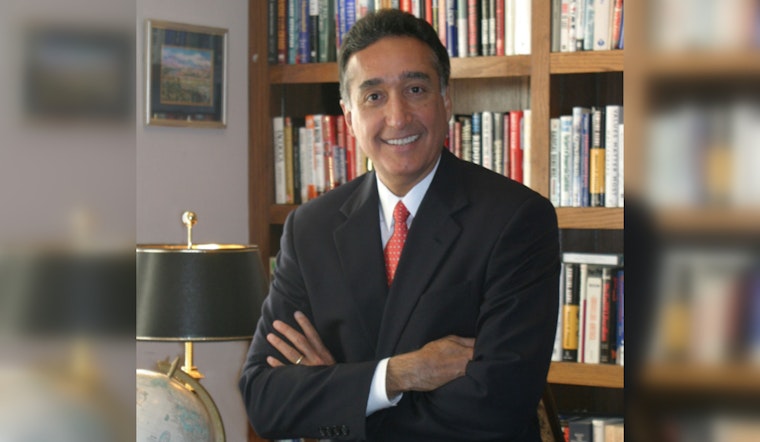
But the challenges extend beyond jam-packed highways. Texas leaders and developers express concerns that the state isn’t adequately preparing for the incoming surge, warning of potential consequences such as scattered development, congestion, and environmental strain, as per the San Antonio Report. Henry Cisneros, former San Antonio mayor, implored for a shift towards coordinated planning and integrated thinking to manage the looming urban sprawl at a Texas Tribune event.
One of the albatrosses around the region's neck is the over-reliance on the I-35 corridor for travel, with expansions planned but expected to simply bait more cars into the fray. High-speed rail has been floated as an alternative by economic leaders like Jenna Saucedo-Herrera of Greater:SATX but lacks state-level support. The region also grapples with sustainability issues, such as a precarious water supply exacerbated by climate change. According to Ed Latson, CEO of Opportunity Austin, the need for foresighted water planning in Austin is urgent, with worsening droughts and severe weather on the horizon.
Access to green spaces has also emerged as a pivotal factor for families when deciding on their nest, prompting economic agencies to work alongside environmental groups to safeguard these areas for future generations. While preserving the environment is crucial, affordable housing remains a primary draw for young professionals, particularly as Texas grapples with sky-high home prices and rent. Packer emphasized the importance of increasing housing options to combat the state's supply problem. Despite efforts by local governments to tackle these vicissitudes, the overarching sentiment echoes Cisneros' urgency: "The time is right, and the time is now," underscoring the precipice on which the region precariously balances.





