

























































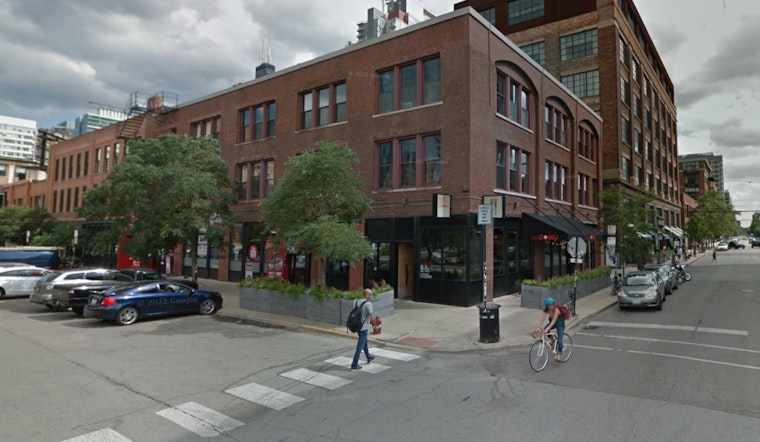
As the co-working giant WeWork continues to fight its way through bankruptcy, a local Chicago startup called Workbox is gearing up to take over WeWork's space in the bustling Fulton Market area, according to a report by the Chicago Tribune. The company has snagged a long-term lease at 220 N. Green St., where it intends to keep the co-working hub running without a hitch for those already established in the six-floor, 60,000-square-foot locale.
Workbox, which John Wallace helms as CEO and co-founder, has been on the rise since its 2019 inception, now holding five locations in Chicago and others spread from Columbus, Ohio to Dallas, Texas, seizing opportunities as WeWork retreats amidst financial turmoil, in a strategic move, the Chicago-based firm took over another former WeWork space at 125 S. Clark St., which has since been reopened, shifting its focus away from WeWork's wider audience to serve predominantly early-stage companies with an additional suite of services. "We provide office space just like our peers do, but we also have a venture fund, an accelerator and do a lot of programming revolving around building businesses," Wallace told the Chicago Tribune.
WeWork's exit from Fulton Market is a significant element of its broader strategy to get back on track, having already discarded more than 100 leases worldwide. The one-time shared workspace leader has been shedding its Chicago portfolio, leaving only eight of its nine locations as it navigates through Chapter 11, as spelled out in court documents cited by Crain's Chicago Business. This is expected to significantly reduce its exorbitant rent commitments, targeting a more manageable operation post-reorganization, hinging on a crucial May 30 confirmation hearing.
The opportunistic takeover by Workbox underscores a shift in office space strategies amongst both providers and owners, with the former utilizing profit-sharing agreements, allowing for shared risks in a commercial real estate market that remains uncertain, especially as preferences evolve in the wake of a pandemic that has forever changed the workplace landscape and Workbox is confident it can fill the gap, capitalizing on the newfound hunger for more flexible office solutions hinted at by office occupancy statistics across Chicago. Randy Rissman, who controls the Green Street building through a venture, stands to benefit from the transition, staving off the daunting task of re-leasing the property during these challenging times, there is no longer a looming vacancy crisis thanks to Workbox's timely intervention, as per the report shared by Crain's Chicago Business.
Despite the turbulence WeWork has faced over the past few years, with a botched IPO attempt and leadership changes, the flexible office model persists amidst an evolving co-working landscape. Meanwhile, Chicago's co-working scene appears resilient in its own right, growing by 2.6% in the first quarter among a sea of shrinking real estate footprints. Many eyes will remain on these co-working entities as they carve out their paths to profitability and relevance in the dynamically transforming arena of business workplaces.





