

























































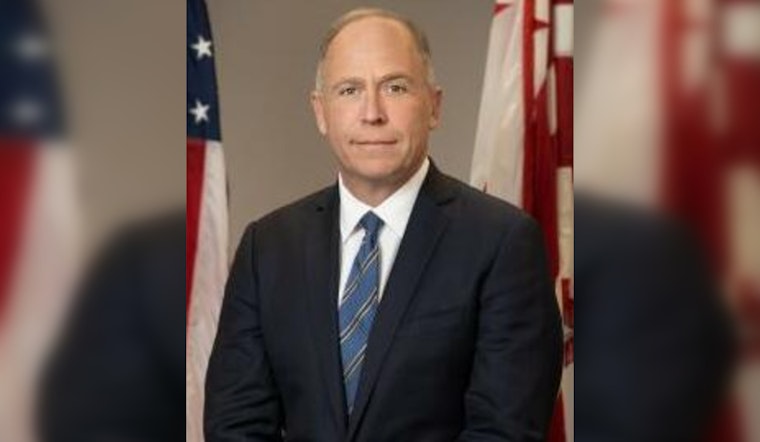
Attorney General Brian L. Schwalb struck a defiant tone before the DC Council Committee on the Judiciary and Public Safety, firmly opposing the so-called safety-conscious bill that has stirred considerable debate in the District. Schwalb, scrutinizing the Utilizing Partnerships and Local Interventions for Truancy and Safety Amendment Act of 2024, criticized the measure for being misaligned with the city's needs and counterproductive to its intentions.
In his testimony, Schwalb did not mince words when he stated, "This legislation offers ill-conceived proposals that are divorced from the data, put politics over problem solving, and will make the District less safe for all who live here, work here, and visit." Schwalb argued that an emotional response to a surge in violence should not be the groundwork for public safety legislation. Despite a general consensus on addressing the uptick in violent incidents, the Attorney General's stance implies that the current framework is already sufficient, according to the Office of the Attorney General's.
The bill in question, born out of alarming crime statistics, aims to reconfigure the District's approach to truancy and public safety, particularly among its younger residents. Schwalb, however, backed his position with evidence from the Criminal Justice Coordinating Council. He claimed, "The evidence from the Criminal Justice Coordinating Council, which the Mayor chairs, is clear: my office uses prosecutorial tools appropriately and effectively to ensure that young people who break the law face consequences for their actions and receive interventions to reduce the likelihood that they will re-offend," as reported by the Office of the Attorney General's.
Schwalb's vocal opposition to the legislation lays bare a widening rift among city officials over how best to navigate the delicate balance of juvenile justice reform and public safety. With sentiments running high, the debate over this legislation shows no signs of abating, leaving residents of the District caught in a political tug-of-war over the future of law and order in their city. Critics of the bill are sure to seize on Schwalb's statement as an anchor for their own arguments against the proposed changes, as the District's top legal officer holds a line in the sand.
This clash of policy and perspective unfolds amid broader national conversations regarding criminal justice reform and community safety operations. The DC Council Committee continues to weigh the merits of the amendment act, while stakeholders and observers alike await the next chapter in this unfolding legislative saga. To read more about Attorney General Schwalb's testimony, visit the Office of the Attorney General's website.





.jpg)