

























































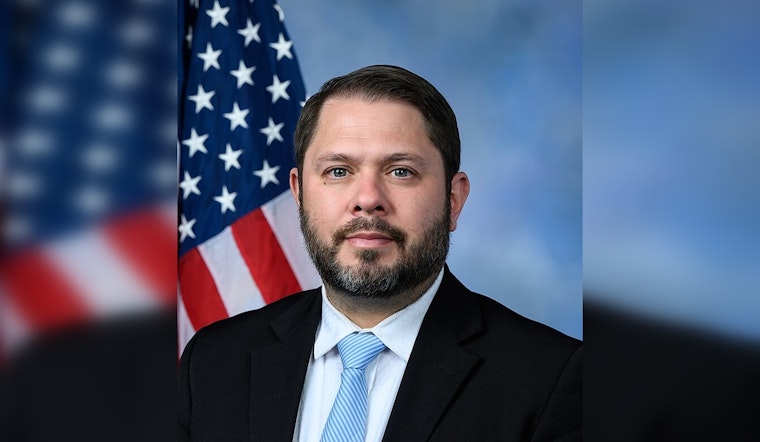
In a notable move by the House, a provision aimed at eliminating deceptive fees in ticket selling has passed with strong bipartisan backing. The measure addresses a familiar frustration for consumers, where initially advertised prices balloon with additional charges by checkout. According to a statement obtained by Rep. Ruben Gallego's office, "We’ve all been there - you select a concert ticket at one price, but by the time you get to check out, fees have made the cost nearly double."
The TICKET Act, formally known as H.R. 3950, seeks to put an end to these concealed charges, mandating that the full price of a ticket be disclosed upfront. The provision forms part of Rep. Gallego’s broader Junk Fee Prevention Act, which he introduced last year to cut costs for individuals by promoting price transparency. Gallego vowed to keep up the fight, saying, "I’ll keep fighting to fully pass my Junk Fee Prevention Act and put an end to hidden junk fees on all services."
The groundswell of support from an otherwise divided House underscores a rare consensus on consumer rights and economic fairness. The legislation stands out for its unified embrace across party lines, suggesting a shared understanding of the need to protect consumers from these unwelcome surprises. The Junk Fee Prevention Act also extends its protective reach to airline passengers, particularly concerning families. The act proposes to prohibit airlines from charging parents a fee simply to ensure they can sit next to their children.
In another consumer-friendly move, the provision gives authority to the U.S. Department of Transportation to firmly impose penalties on service providers that fail to maintain transparency. Not only is this a win for consumers looking to easily see and understand costs, but it also puts a check on companies that have, until now, operated with a degree of impunity when it comes to fee disclosure. As part of the act, overcharging families for basic seating arrangements would finally come to an end, a policy Rep. Gallego has been looking to implement for quite some time.





