

























































As the Karen Read murder trial unfolds, jurors are set to make a visit to the Canton property where the lifeless body of Boston police officer John O'Keefe was found two years ago. On Friday, before making their way to the site, they will resume hearing testimony from Canton paramedic Katie McLaughlin, who previously described a chaotic scene upon discovering O'Keefe in a snowbank in January 2022, as reported by WHDH.
The visit follows McLaughlin's statement in court where she claimed to have heard Read admit to hitting O'Keefe. "So she said, ‘I hit him.’ She repeated it. There was a woman standing across from her who, I believe at that point, said, ‘You're hysterical. You need to calm down. You're hysterical.’ She repeated, ‘I hit him,’" McLaughlin testified according to WHDH. This marked a pivotal moment in the trial, as three other first responders claimed not to have heard a confession from Read, adding layers to an already complex case.
Read, 44, has pleaded not guilty to charges of second degree murder. Her defense contends that O'Keefe was the victim of a beating inside a home, hinting at a potential coverup by law enforcement, as WHDH detailed. Opposing this, prosecutors are suggesting motive by revealing strained relations between Read and O'Keefe, including allegations of a "romantic entanglement" and previous altercations, as revealed in a WCVB report.
In addition to scrutinizing the couple's rocky relationship, the prosecution's strategy also includes eyewitness testimony from first responders. Describing efforts to revive O'Keefe, one witness mentioned his body temperature was only 80 degrees Fahrenheit, indicating severe hypothermia. Meanwhile, the defense has countered by attacking the credibility of the first responders, pointing out inconsistencies in police reports and suggesting potential concentration lapses due to the urgent nature of saving O'Keefe's life.
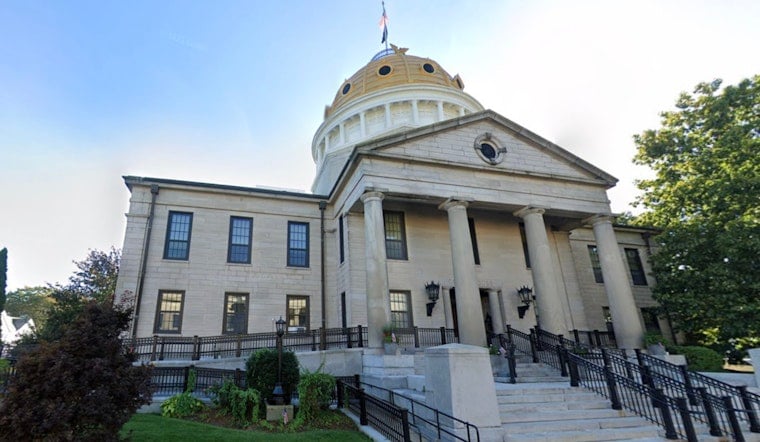
The trial has garnered considerable attention, with proceedings protected by a 200-foot buffer zone around the courthouse to maintain order and ensure a fair trial. According to WHDH, the Massachusetts Supreme Judicial Court upheld the buffer zone, establishing a precedent balancing the right to protest with judicial integrity.




