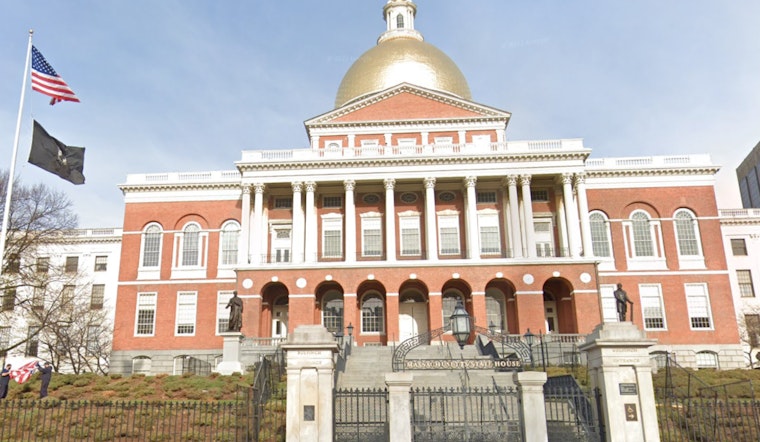
Big news for Boston's nightlife: the state House of Representatives has passed a groundbreaking bill that could transform the city's bar and restaurant scene. State Representative Chris Worrell sponsored the legislation, creating 205 new alcohol licenses—a move he branded a "huge win" for Boston's historically marginalized communities. These neighborhoods, which have lacked sit-down dining options and the economic benefits they bring, may now see a surge of new establishments.
The bill plans to strategically distribute the majority of these licenses — specifically 180 of them — across 12 ZIP codes identified as needing economic uplift, including areas such as Roxbury, Dorchester, Mattapan, and East Boston. Restaurants in these locales will now be able to more easily serve alcohol, which according to figures mentioned by NBC Boston, could double their profits. But it goes beyond a mere revenue boost; it's about "spurring economic opportunity for communities of color," Worrell explained.
Additionally, licenses are set to quickly expand into community-centered areas such as theaters and non-profits, broadening the scope of who can benefit from this legislative reform. Despite slimming down from the original proposal, lawmakers are in an upbeat mood. Rep. Worrell emphasized, in a moment of reflection, captured brilliantly by the Boston Herald, "This bill will even the playing field so that out-of-reach liquor licenses can once again become a reality for restaurants in some of our most underserved communities."
Indeed, the legislation is a stark pivot from the existing landscape where licenses are scarce, driving up costs, and effectively excluding new players from stepping onto the field. Reflecting on the bill's ability to breathe life into long-neglected areas, Boston Mayor Michelle Wu told NBC Boston, "These needed liquor licenses will help bring new life to vacant retail spaces in neighborhood commercial districts and strengthen our economy and community." The bill is expected to stride forward to the Senate, where if approved, it would await the signature of Governor Maura Healey to become the rule of the land.