

























































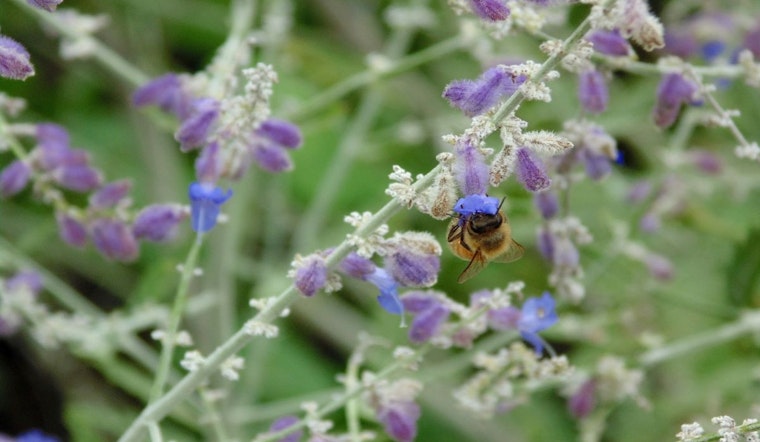
In celebration of World Bee Day, city officials and environmentalists are buzzing about the importance of protecting these vital pollinators. The City of Minneapolis Health Department highlighted the day on their Facebook page, noting that there are over 20,000 known bee species worldwide and reminding us that a whopping 4,000 of them call the United States home.
Bees, along with other pollinators, are recognized for their essential role in our ecosystems, contributing to the production of fruits, vegetables, and seeds that feed not just humans but countless other species. Experts stress the simple actions you can take to support these tiny environmental champions: planting native flora, grouping plants together to make them more appealing targets for bees and cutting back or outright banning the use of harmful garden pesticides.
Despite their small size, bees have a monumental task in nature, and their decline presents a dire threat to our food security and biodiversity. According to scientists, these creatures are facing multiple threats, including habitat destruction, climate change, and exposure to pesticides, which jeopardize their survival and therefore, the balance of our natural world. Communities and individuals alike are urged to take part in conservation efforts, which are now more critical than ever.
This year's World Bee Day serves as a reminder of the small but significant steps each one of us can take to ensure the health and longevity of these indispensable insects; let's do our part to honor their contribution to our lives by creating environments where they can thrive and continue to support our planet's diverse ecosystems.





