

























































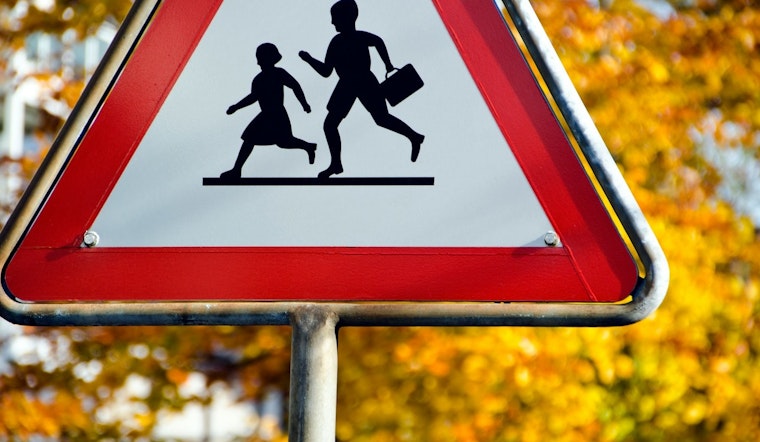
Minnesota's roads are getting a safety facelift, and data is at the wheel. According to a comprehensive series of studies published on the Minnesota Department of Transportation's (MnDOT) website, pedestrian crosswalks, roundabouts, and innovative intersection designs like J-turns are being hailed as life-saving improvements on the state's highways and byways.
The research spotlights the benefits of reduced vehicle speeds and the presence of pedestrian amenities (like restaurants and parking lots) in boosting driver-yielding rates at crosswalks, suggesting a blueprint for safer streets. The Twin Cities area and Northfield saw two weeks of studied intersections, where slowed traffic speeds below 25 mph saw drivers playing it safe with foot traffic. Despite not controlling all factors in driver behavior, MnDOT sees this evidence as a catalyst for pedestrian-friendly road design.
It's not just pedestrians reaping the benefits. Cyclists have seen a reprieve from the rubber hitting the road, too, with the installation of Rectangular Rapid Flashing Beacons (RRFBs) and Pedestrian Hybrid Beacons (PHBs) leading to significant decreases in fatal and minor injury crashes. Mishaps involving bikes dipped by half at PHB sites, the research showed. Though not statistically stronger in effect than unenhanced locations, the trend points to promising outcomes for beacon-lit crossings.
Roundabouts, those traffic-slowing circles of safety, are keeping heavy commercial vehicles safer with fewer high-severity crashes reported. MnDOT's 2017 evaluation revealed a chokehold on fatal accidents, though some concerns about rollovers for the bigger rigs continue to circle. In Minnesota, roads configured with J-turns also cut down on fatal and serious crashes by simplifying the crossing of multiple traffic lanes. As mentioned by MnDOT, these turns might take you on a longer trek, but they get you there faster—and importantly, intact.
Yet it's not just about dodging danger. Minnesota is on a mission to greenify its gridlock. MnROAD, part of MnDOT’s pavement test track, is laying down low-carbon concrete test cells to check for both eco-friendliness and tire-friendliness. Some mixtures even beat out the control batch, boasting a lower embodied carbon content—a boon for the budget and the atmosphere.
The state isn't just eyeing innovation on the road's surface but in public policy as well. With the rise of electric, hybrid, and fuel-efficient gas guzzlers, the gas tax tank is running dry, pressing MnDOT to ponder alternative revenue routes. One proposed detour includes extra fees for battery-powered buggies, though this might apply the brakes on electric vehicle adoption—a potential pothole in policy.
In an accolade to safety efforts, research projects tackling pedestrian safety received the 2024 CTS Research Partnership Award. MnDOT announced that its investigation into ways to curb pedestrian injuries and fatalities garnered recognition, a nod to the critical partnerships forged in the name of saving lives.
And amid a workforce swerving to dodge a shortage of road maintenance talent, a new website, MNTransportationCareers.com, is set to debut, offering a one-stop-shop for industry job listings and educational resources. The launch, set for July 9, aims to pave the way for aspiring workers looking to break into roadway maintenance careers.
For more detailed insights on these studies and initiatives, visit MnDOT's Research & Innovation page.




