

























































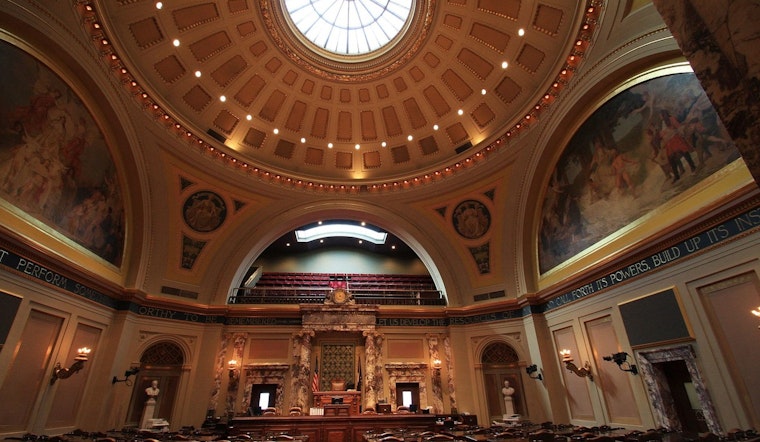
Minnesota's fight against gun violence took a significant step forward this Monday, as the state Senate narrowly voted to pass a bill aimed at cracking down on straw purchases of firearms. The legislation, spearheaded by Senator Heather Gustafson (DFL – Vadnais Heights), aims to broadly expand the definition of straw purchases to encompass all firearms, a move designed to close what advocates argue is a critical loophole in the existing law. According to a press release obtained by Senate DFL MN, current regulations only ban straw purchases for pistols and semiautomatic military-style assault weapons.
The bill also seeks to ensure that those involved in the unlawful transfer of firearms "should have known" better, increasing culpability and, consequently, the severity of punishment. It marks a toughening of stance from gross misdemeanor charges to potential felony convictions, complete with heightened fines for aggravated violations. Notably, the legislation also targets modifications to firearms, such as binary triggers — devices that enable one to rapidly fire two shots, one on the pull and another on the release of the trigger, without a second pull.
With a razor-thin majority, the result of the Senate vote underscores the contentious nature of the legislation, passing with a 34-33 tally. "The bill we passed today will help save lives and make our communities and law enforcement safer," Sen. Gustafson told Senate DFL MN. Gustafson underscored the bill's purpose to hold offenders accountable, citing the harrowing statistic that "Every day, 120 people in the US are killed by guns."
One noteworthy provision includes establishing an affirmative defense for individuals forced or coerced into a straw purchase under threats to their safety or the safety of loved ones. This clause seeks to ensure that the law does not unjustly penalize those who are themselves victims of coercion or violence. With the Senate hurdle now cleared, the bill's next test will be whether it can secure concurrence with the House or if it will face further scrutiny in a conference committee. The ongoing legislative journey of this controversial bill continues to unfurl, with its advocates firmly believing in its life-saving potential.





