

























































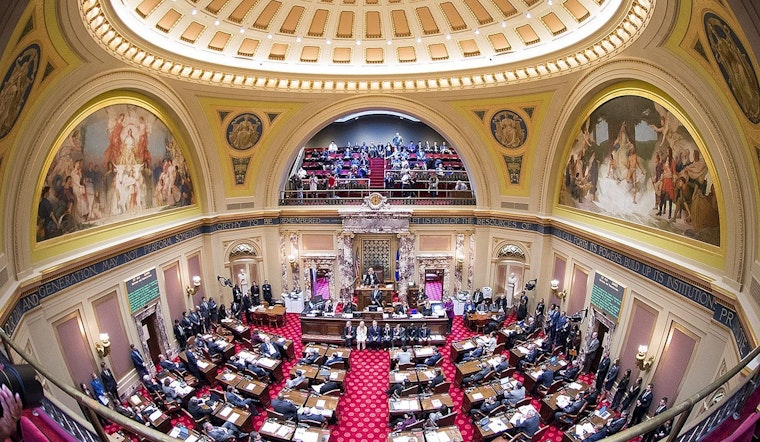
In a significant move for consumer protection, the Minnesota Senate has ushered through the Minnesota Debt Fairness Act, part of this year's Commerce Policy Omnibus. Authored by Senator Liz Boldon, the act introduces critical reforms aimed at shielding Minnesotans from the harshest consequences of medical debt. With provisions making it illegal for medical debt to tarnish credit scores and barring the withholding of services due to unpaid bills, the bill is a response to the often devastating financial implications of emergency healthcare costs.
The Act also sees an end to the automatic transfer of medical debt to a spouse and puts a pause on debt collection while billing disputes are resolved. These measures are geared towards mitigating the crippling effect unexpected medical expenses can have on the average family. As reported by the Senate DFL, there are new guidelines for wage garnishment, ensuring only a fair amount can be deducted from paychecks, and offering protections for property from collection during bankruptcy.
Senator Boldon, representing the DFL-Rochester, heralded the bill's passage as a pivot towards a more compassionate healthcare system. "Today, we take a step forward towards a healthcare system that values patients over profits," she stated. The sentiment captures the essence of the legislation, putting human needs before the financial voracity that often defines the healthcare industry.
Joining forces with Attorney General Keith Ellison and Representative Liz Reyer, Boldon has been a driving force behind the bill that now makes its way to the House. Drawing attention to the human side of the legislative victory, Boldon reflected, "We often hear the phrase, “Life isn’t fair,” and that may be true to an extent. However, we do have the power and responsibility to make life a little more fair for our family members, friends and neighbors who may be struggling." The act's potential to assist thousands hangs on the balance as it moves towards becoming enacted.
Once through the House, the final hurdle for the Minnesota Debt Fairness Act will be the governor's signature. Governor Walz's approval would catapult Minnesota into a leading position in the fight against the financial devastation often wrought by medical crises. This legislation marks a significant shift in the balance of power between healthcare providers and patients, redefining the landscape of consumer rights in the context of medical debt.





