

























































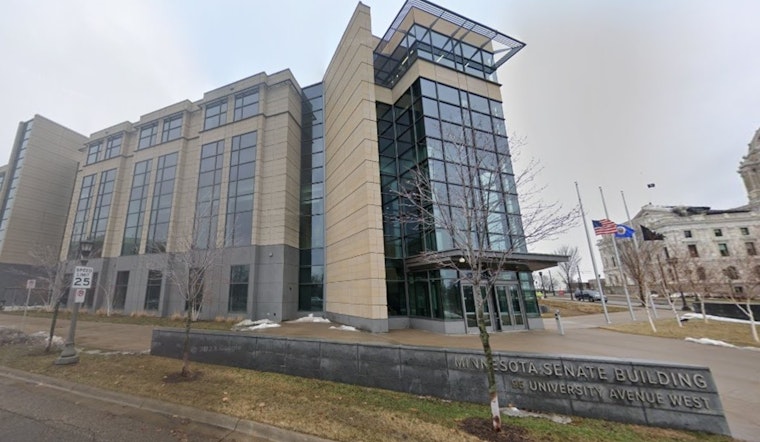
In a move aimed at beefing up consumer protections, the Minnesota Senate has recently passed a new set of regulations led by Senator Matt Klein. The substantial package, structured to shield consumer rights and ensure fair play in the market, is now poised to hit the Minnesota House for further scrutiny. Klein, a DFL representative from Mendota Heights, has been the primary architect of this diverse legislative mix, geared to add a new layer of transparency and consumer power.
The bill, titled the Commerce and Consumer Protection Policy Conference Committee Report, aims to notably reshape the battleground of consumer finance and privacy. Included in its sweeping reforms is the Minnesota Debt Fairness Act, spearheaded by Boldon. This key part of the legislation is set to forbid the outright denial of medical care over pending patient debt. Furthermore, it will prevent this debt from being arbitrarily transferred to a patient’s spouse and set up fresh defenses for specific properties against collection activity.
Another notable inclusion is the Student Loan Borrower Bill of Rights, engineered by Oumou Verbeten. It serves as an expansion of the 2021 rights to impose stricter reporting requisites on private lenders and to guarantee borrowers receive precise information about payment choices based on their income. According to a report by Senate DFL, it will also "allow borrowers to file a claim, and more." Taken together, these steps form a bolstered safeguard for student loan holders against deceptive lending practices.
Within the digital realm, the legislation looks to empower consumers even further. The "Click to Cancel" rule, introduced by Gustafson, charges that companies must secure explicit consent for any automatic renewals and lets customers cancel these services in a clear, straightforward manner anytime. Meanwhile, the Net Neutrality clause, as Latz puts it forth, intends to prohibit ISPs from discriminatively prioritizing internet content, a pivotal move to uphold an equitable internet landscape, according to advocates.
The bill saw razor-thin advancement through the Senate with a vote count of 34-32. These measures, including also initiatives like the Prohibiting Social Media Manipulation Act and Gender Affirming Care Coverage, now await their fate in the Minnesota House. Should they pass, it could signal a significant shift in Minnesota's consumer protection landscape, rivaling some of the most robust frameworks across the country.





