

























































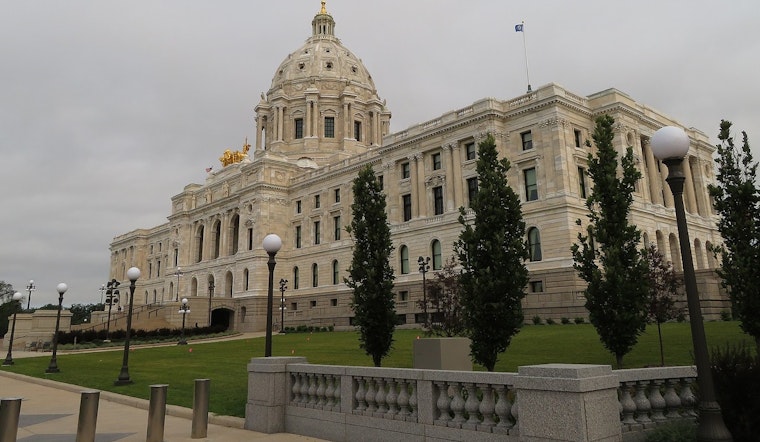
In a striking display of bipartisanship in Minnesota, the state Senate has unanimously approved a significant Transportation Omnibus Policy bill, HF 3436, with a strong focus on safety, inclusivity, and improvements to the existing transportation network. The bill, spearheaded by Senate Transportation and Public Safety Committee Chair Scott Dibble (DFL-Minneapolis), sailed through with a 67-0 vote. Dibble emphasized the collaborative nature of the legislature's efforts, stating, "Good ideas aren’t exclusive to one side of the aisle, and this bill shows that we can quickly make real progress by working together," as reported by Senate DFL MN.
Key provisions of the bill include the implementation of the latest compensation and benefits data for state-employed law enforcement's collective bargaining agreements. Also critical is the updating of rail safety guidelines to ensure prompt notification of local emergency response teams during incidents. By expanding an optional contracting preference, the bill encourages MnDOT to award contracts to veteran-owned businesses, alongside those owned by women, people with substantial disabilities, and members of the POCI (People of Color and Indigenous) community. Another critical update includes the expansion of accepted documents that can be utilized to verify one's identity for a REAL ID-compliant license.
Moreover, the Omnibus bill also codifies existing rules to facilitate the uninterrupted delivery of transit services across Minnesota. It introduces considerations for new forms of transportation by providing regulations for the emerging "roadable aircraft." These unique vehicles combine the characteristics of airplanes and cars, effectively allowing them to be driven on public roads and flown in airspace. Additionally, it introduces restrictions to limit access to driver's licenses after incidents of criminal vehicular operation and authorizes the use of ground lights on motorcycles.
Senator Dibble's leadership on the bill reflects the consciousness of a legislature attempting to inclusively and comprehensively address the myriad needs of a diverse populace. "Our transportation policy bill reflects the good bipartisan work of the Transportation and Public Safety Committee members to make our roads safer, ensure everyone can get where they need to go, and improve the work being done by the Department of Transportation and the Department of Public Safety," Dibble conveyed in a statement championing the collaborative spirit of the legislature. His words, illuminating the heart of the bill, resonate with the objective of not just legislating but doing so with a gesture toward all citizens' various and varied needs. This sentiment, as gleaned from the Senate DFL MN, showcases a seminal shift in lawmaking — one where the process is as much about the movement of vehicles as it is about the advancing of values within a shared polity.





