

























































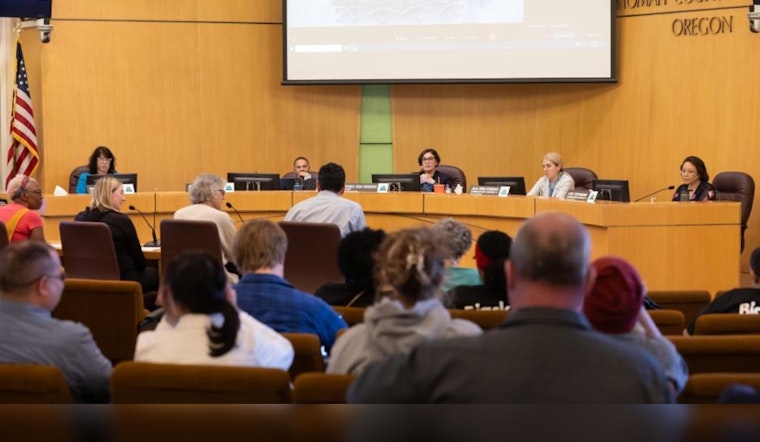
On May 8, throngs of locals packed the Multnomah County Boardroom and connected digitally to voice their thoughts on the upcoming fiscal year's county budget. The main attractions were programs affecting poverty, climate change, homelessness, and other community-specific needs. This was the first public hearing on the matter, with a final decision by the Board of County Commissioners expected on June 6, according to a report by Multnomah County News.
Among the proposals teetering on the edge, the Multnomah Idea Lab faces a financial guillotine with the county considering the withdrawal of its support to zip up a deficit. The Lab boasts a program dubbed the Multnomah Mother’s Trust, which gives about $500 monthly in no-strings-attached income to approximately 100 Black single-mother families. Gail Black, from the Interfaith Alliance on Poverty, underscored the difference the program makes, claiming that “these educational components have shown measurable improvements in the participants’ economic stability,” as reported by Multnomah County News.
Environmental concerns also surfaced as speakers backed a project by Oregon State University to add a channel to Ross Island Lagoon, aiming to derail annual toxic algae blooms in the Willamette River. Desiree Tullos, contributing to the project's development, told Multnomah County News, that the initiative promises to not only alleviate the lagoon's stagnation but also to revive habitats previously inaccessible.
Culturally specific healing and support programs like Future Generations Collaborative and FaithBridge appealed for funding to continue their vital work, particularly for those emerging from trauma or life transitions. Lisa Saunders of FaithBridge conveyed the gravity of the situation, telling Multnomah County News, “the Black and Brown women in this County deserve to heal, and if budgets are moral documents, then a grave injustice has indeed been done.”
Others sought to aggressively renew backing for Oregon State University Extension Service for initiatives like the Master Gardener program and youth 4-H groups. Nadine Menashe emphasized the service's need for county support, which they have not received in 21 years—a split from the past where local government used to finance such growth-fostering endeavors.
Activists directed attention towards the county's dealings with Amazon, pressing officials to divest due to the company's relationships with climate change and the contentious Israeli military conflicts. Mar C described the juxtaposition of the county's assets tied in Amazon web securities and its stated values in an interview with Multnomah County News.
While many highlighted the importance of continuous financial commitment to societal growth, an impressive 24% increase in the homeless services budget was spotlighted, which aims to enhance housing assistance and support for those in critical need, including asylum seekers in the county's sanctuary jurisdiction.





