

























































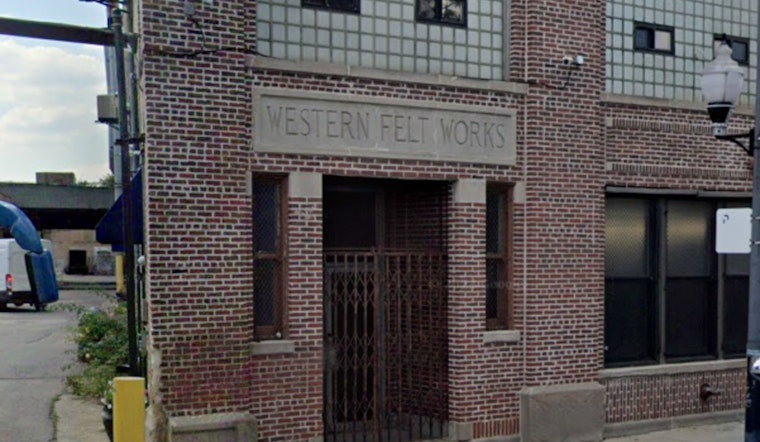
Chicago's North Lawndale neighborhood is gearing up to fend off a development project that residents argue will demolish historic buildings and flood their streets with truck traffic, an issue raising both health and preservationist concerns. Atlanta-based IDI Logistics, aiming to replace a dozen buildings dating back over a century with a 250,000-square-foot logistics center, has stirred up a fight with locals who claim the development will shake homes and pollute the air, as reported by the Chicago Sun-Times.
Citizens, backed by an Alderman, are not just worried about the loss of significant structures but also the impending increase in diesel trucks that could potentially damage homes and exacerbate respiratory issues in an already burdened community. Preservationists emphasize the structures’ significance, with some designed by noted architect Alfred Alschuler. According to the Chicago Tribune, the Western Felt Works building and others formerly housing Turner Manufacturing are particularly notable for their historic value to the city's architectural heritage.
Locals express frustration about the lack of communication between the city and the developer on a project that could reshape their lives. "The process of this whole thing just feels like we were thrown away. That’s how we feel," lifelong North Lawndale resident Rochelle Jackson told the Chicago Sun-Times. Concerns extend beyond the potential air quality issues, encompassing the preservation of community integrity and history. "If nobody stands up, we can continue to be railroaded and run over," resident Norvetta Landon said in the face of the proposal.
While IDI Logistics has yet to disclose future tenants or provide details about operations, resistance mounts, as Ald. Michael Rodriguez (22nd), committed to the community's quality of life, has taken a stand, declaring he will oppose the project if it leads to a significant trucking facility. As per the Chicago Sun-Times, Rodriguez favors manufacturing that offers "higher-paid career-oriented jobs, more unionization and less trucking for a community already dealing with an overburdened trucking environment." Large logistics operations on the Southwest Side have been a source of contention, with truck-related air quality and roadway damage in sharp focus.





