

























































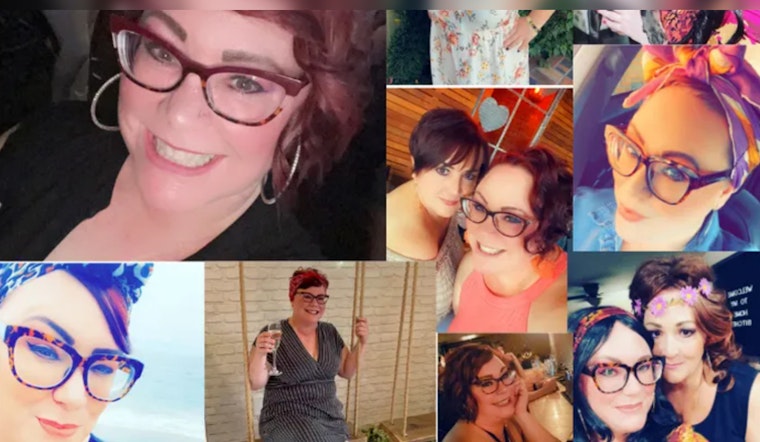
As May winds down, the stories of women grappling with health concerns have cast a spotlight on the importance of awareness and self-advocacy during National Women's Health Month. Robin Anderson's harrowing journey through misdiagnosis to a stage four cancer battle provides a stark illustration of the gaps that can exist between women and the healthcare they receive.
Anderson, a former Arizona's Family employee known for her infectious positivity, realized something was amiss when she encountered persistent lower back pain, as reported by AZFamily. Despite several ER visits and consultations with five doctors, her distress was attributed to non-existent UTIs and treated as such. "They didn’t know what it was," Anderson disclosed in an interview with the station.
Finally, after months of suffering and an admission to HonorHealth, a review by Mayo Clinic confirmed the devastating reality: she had a rare and aggressive form of uterine cancer that had been overlooked. The belated discovery ushered in aggressive treatment, including surgery and chemotherapy, but also led to new complications, including fluid accumulation in her abdomen and uncertainty about the cancer's spread.
Anderson's experience underscores an ongoing concern highlighted by Women’s Health Month, advocating for the kind of screening and preventive measures that might prevent such scenarios. According to MyAlly Health, Women's Health Month is an opportunity to both celebrate progress and acknowledge the work that remains in educating and empowering women regarding their health. From cervical cancer screenings to promoting mental health awareness, the efforts made in May aim to galvanize women to take control of their health year-round.
MyAlly Health emphasizes the importance of preventive care, offering services such as Pap smears and HPV vaccinations, along with robust counseling and advocacy for women's health. This proactive approach is precisely what Anderson wishes she had demanded earlier in her quest for answers, advising others to "ask for extra blood tests" and to "really be a better advocate" for themselves.
Despite the harrowing nature of Anderson's narrative, she remains grateful to the nurses who have supported her, saying, "I cannot say one bad word about the nurses, OK, in [the oncology department]." Those interested in following her journey or contributing to her ongoing treatment can visit her GoFundMe page.



