

























































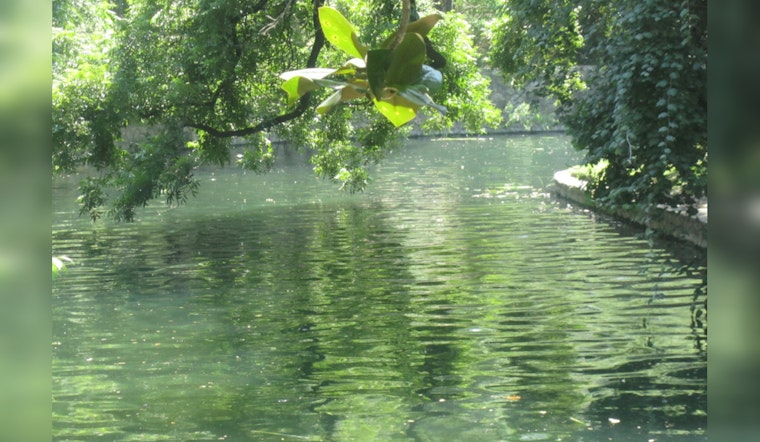

By Billy Hathorn - Own work, CC BY-SA 3.0, Link
In a pioneering effort to clean and restore the San Antonio River, the San Antonio River Authority and U.S. Fish and Wildlife Service have taken a novel approach by releasing approximately 5,000 mussels into the river basin, as FOX San Antonio reported. These freshwater mussels are set to act as natural filters, tasked with the job of keeping the waterways clear of harmful bacteria. The intent behind this large-scale introduction is to revitalize the natural ecosystem and improve river health.
The River Authority has been working diligently since 2017 towards reintroducing native freshwater mussels to the river, specifically focusing on the Mission Reach section, and they are now in the final stages of a feasibility study, according to their official blog. The study involves the evaluation of alternative strategies for rearing juvenile mussels, finalizing a model for optimal mussel placement, and creating methods for gauging the success of the initiative. These mussels are crucial as they not only help purify the water but also contribute to the stability of the riverbed.
The delicate process of bringing mussels from a lab environment to the wild involves a balancing act; scientists have devised a rearing system involving floating baskets that mimic laundry baskets, however equipped with floats and filled with sand where baby mussels can grow until they reach about 20 millimeters in size. As the River Authority blog states, this strategy allows the mussels to accustom themselves to the river conditions while enabling scientists to monitor their development closely.
One of the critical factors for a successful reintroduction is finding suitable habitats within the urban river system, which often experiences rapid water flow changes due to impervious cover like roads and sidewalks—this can disrupt the sediment and displace the mussels. Partnerships have formed with entities such as Texas Parks & Wildlife Department and Utah State University to create sediment maps of the Mission Reach, predicating mussel movement based on the sediment maps, and identifying stable areas that will enhance the mussels' likelihood of survival; thereby the mussels' chances of survival are bolstered. To track the efficacy of these habitats, the 'Mark Recapture' technique is used, where marked mussels are later located to help estimate population sizes.





