

























































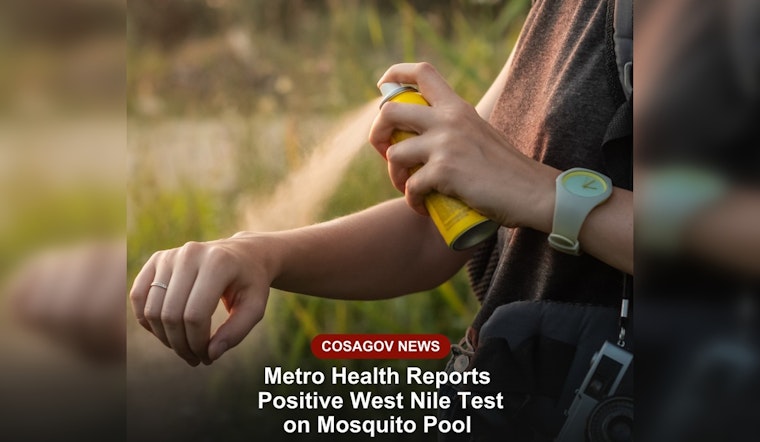
San Antonio residents, it's time to roll up your sleeves and dump out any standing water—West Nile Virus is back in town. The City of San Antonio Metropolitan Health District (Metro Health) has sounded the alarm after a mosquito pool tested positive for the virus. This discovery marks the first reported case of its kind for the current year.
The unlucky batch of mosquitoes were nabbed in the southwest part of San Antonio, where Ray Ellison Blvd intersects with Loop 410. Metro Health confirmed the findings on May 15, with immediate plans to halt the spread. Next week will see pest control and fogging operations spread out across the area under Metro Health’s Vector Control program. Residents can keep a track of future positive West Nile findings by heading over to the Metro Health website.
Here's the lowdown: more rain equals more mosquitos. To stamp out mosquito breeding grounds, Metro Health advises the community to take proactive measures, especially after a downpour. This includes clearing out any item that can hold water—vases, pet bowls, flowerpot saucers, discarded tires, buckets, pool covers, birdbaths, trash cans, and rain barrels. All these could become potential nurseries for the pesky critters.
Good hygiene is also a solid defense against these insect invaders. Water contamination with organic waste like animal droppings, grass clippings, and leaves can up the survival of mosquito larvae. On the personal front, protecting skin with insect repellents containing DEET or Picaridin is crucial, especially during dawn and dusk when mosquitoes are most active. Covering up with long-sleeved shirts, long pants, and socks can act as an additional physical barrier. Proper window screening and the use of air conditioning can keep these bugs at bay from your living spaces.
The danger isn't hypothetical. The Centers for Disease Control and Prevention (CDC) warn that West Nile Virus is mainly transmitted to humans through the bites of infected mosquitos which have feasted on infected birds. While there are no dedicated vaccines or treatments for WNV, the stakes are high for those infected. Most people might shrug it off without symptoms, but around one in five could end up with fever and other distressing symptoms. And for the less fortunate one in 150, severe neurological illnesses like encephalitis or meningitis could be on the cards. If you're over 60 or suffering from conditions like cancer, diabetes, hypertension, or have had an organ transplant, you're at a higher risk of severe illness, according to the CDC.


