

























































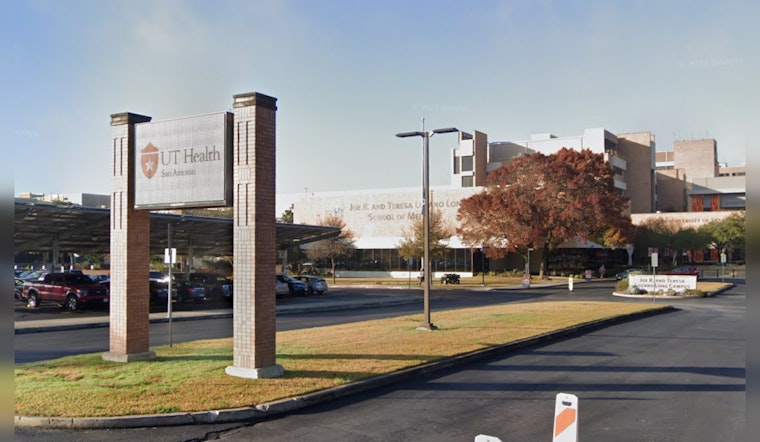
In a decisive move against the epidemic of liver cancer plaguing South Texas, San Antonio researchers are poised to make a breakthrough with nearly $1 million in federal funds. This cash injection, earmarked specifically for accelerating clinical trials, aims to develop groundbreaking drugs targeting the disease.
Hispanic populations in South Texas, where obesity and type 2 diabetes rates are skyrocketing, face twice the risk of liver cancer than other regions in the nation. "Metabolic dysfunctions associated with steatohepatitis lead to the highest incidence of liver cancer in the nation in Hispanics," said UT Health Science Center at San Antonio’s Acting President Robert Hromas, in a statement obtained by the San Antonio Report. The commitment to tackling liver cancer also coincides with the inauguration of the UT Health School of Public Health, which welcomes its first class of 35 students this autumn.
A significant player in this combat against cancer is U.S. Congressman Joaquin Castro, who, by securing a substantial $963,000 in community project funding, has bolstered the city's efforts to develop therapies for hepatic steatosis, more commonly known as fatty liver disease, which directly relates to liver cancer risk. Just last year, Castro initiated the procurement of $1 million in Health Resources and Services Administration funds for drug development.
Castro, who has openly shared his own battle with cancer, emphasized the importance of research and treatment development during his visit to the UT Health San Antonio after a drug therapy session yesterday morning. Having personally faced cancer, Castro's advocacy for treatment research delivers an intimate urgency to the city's fight against chronic illnesses like diabetes, hypertension, obesity, and diverse forms of cancer.
San Antonio's fight is data-backed; one in six residents already struggles with type 2 diabetes. The region has even reported cases of type 2 diabetes in children as young as five. Notably, Bexar County has a staggering 66% adult obesity rate, disproportionately impacting Hispanic and Black communities, as reported by the San Antonio Report.
Addressing the liver cancer crisis head-on, UT Health researchers are developing drugs intended for senolytic therapy, which targets and eliminates dysfunctional cells in fatty livers. "In this manner, we prevent the progression to diabetes, we prevent the progression of death to cirrhosis, we prevent the progression to liver cancer," Hromas told the San Antonio Report. With several hundred lead candidates for the clinical study on the horizon, researchers hope to select the most promising one for human trials soon.
In partnership with local organizations, UT Health plans an active role in the community, aiming to unravel the causal factors behind South Texas's alarming rates of obesity and fatty liver disease. According to Dr. Vasan S. Ramachandran, inaugural dean of the public health school, the community serves as an extended classroom, and stakeholder engagement stands central to their approach. "The county is our classroom, the community is our curriculum," Ramachandran emphasized in an interview with the San Antonio Report.
Meanwhile, the nearby Mays Cancer Center is also actively involved with clinical trials focussing not only on liver cancer treatment but also on early detection, prevention, and improving quality of life for those affected by or having survived liver cancer, demonstrating San Antonio's multi-faceted approach to establishing stronger public health defenses within its community.





