

























































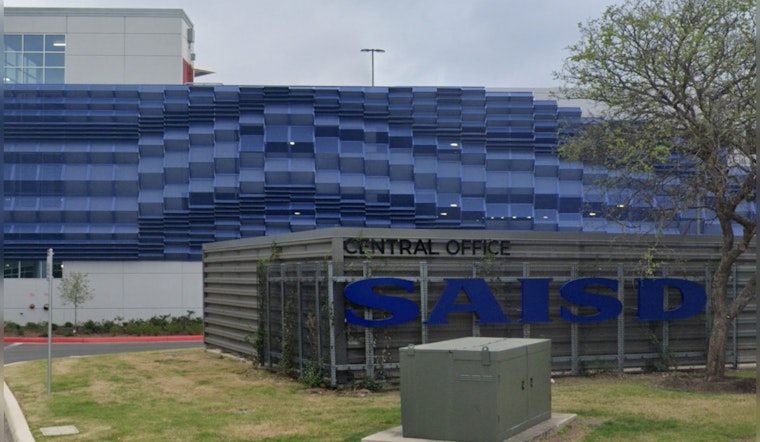
San Antonio Independent School District (SAISD) got blindsided by a massive heating system fiasco back in January, leaving students shivering in their classrooms during one of the coldest spells of the year. Despite reassuring promises from the operations staff to Superintendent Jaime Aquino just days prior, HVAC systems districtwide suffered breakdowns on the morning of January 16, which later forced the district to shut down schools for the rest of the week, as reported by the San Antonio Report.
The debacle, which landed on a chilly day with temperatures between 20 and 30 degrees, prompted a flurry of parental concern and even led to one parent bringing a space heater into a classroom to keep the children warm, the district itself was initially unaware of the scale of the problem and only caught wind of the heating failures when the media started poking around that morning, by that time, the damage had been done, and the crisis was in full swing. The aftermath of the facility failures led to the resignation of Ken Thompson, deputy superintendent of operations, and Mike Eaton, chief of operations, after the district's shortcomings were laid bare.
Leticia Ozuna, leading the SAISD Board of Trustees ad-hoc committee investigating the crisis, traces the debacle back to a cascade of human errors spanning over two decades, as she told the San Antonio Report. Historic campuses, boasting over a century in age, were bandaged with new systems atop their aging structures. Aquino lamented the retrofitting efforts, stating, “The buildings should have been demolished and they should have created new ones.”
The district has committed to mending its ways, promising vast changes including an overhaul of HVAC infrastructure, revamping of the work order process, and a comprehensive review of facility utilization to cut down on the need to maintain an overwhelming number of heating and cooling units. The financial toll runs deep, with $8 million spent on immediate repairs and another $12 million requested for continuing work into the next year, while a heftier price tag of $353 million looms for bringing facilities up to par.
A recent report also criticized the district's work order system, which had decayed to the point of unreliability, such that "campus staff were just as likely to rely on workarounds — calling assistant superintendents or colleagues in the central office — as they were to use the Operations Call Center to report issues,” exacerbating the situation during the crisis, the report highlighted the operations call center was swamped with no clear system for prioritizing responses, leading to a complete collapse of record-keeping and a shroud of uncertainty as the situation unfolded.
Not only were the physical systems to blame, but a lack of state funding for schools, which hasn't seen an increase since 2019, has worsened financial woes as inflation and operational costs surged, according to Aquino and board members. Aquino further explains the strain on resources, stating, “We have about 100 buildings, a lot of them small schools, so we need to maintain 100 HVAC systems,” stressing the benefits of downsizing. The report by the Texas Association of School Business Officials pointed out additional failures, including budget mismanagement and a poor departmental culture. Amidst the struggle for fiscal equilibrium, the district's pursuit of solutions—right-sizing school numbers to better align its resources—could mean a series of contentious community dialogues in the near future.
SAISD's path forward includes buying enterprise systems for real-time HVAC monitoring, refining work order processes, and reviewing campus usage. The district aims to restore its tarnished relationship with the public, as Ozuna emphasized, the report's goal to rebuild trust and provide an academic focus making sure "our families understand … how we got here, and how we’re committed not to have a redo of this event," she told the San Antonio Report.





