

























































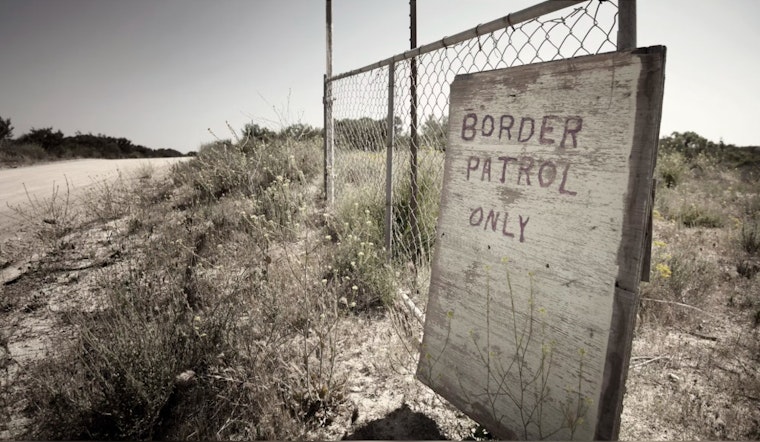
In an unexpected turn, US border arrests dropped more than six percent in April, a deviation from the typical springtime surge. The decrease has been largely credited to increased enforcement efforts by Mexico, specifically targeting areas where migrants often board freight trains destined for the US. "Mexico won’t allow more than 4,000 illegal crossings a day to the U.S.," Mexico’s foreign relations secretary Alicia Barcena stated in a briefing covered by Arizona Public Media, a stark decrease from the more than 10,000 Border Patrol arrests on peak days back in December.
April's US Customs and Border Protection data indicates that migrant arrests numbered at 128,884, down from 137,480 in March and significantly less than a record-high of 249,737 in December. Such a sharp decline comes as potentially good news for President Joe Biden, whom has seen immigration as a persistent thorn in his side, especially with approaching election-year polls. The San Diego sector reported an unprecedented traffic, becoming the busiest Border Patrol region for the first time in decades with 37,370 arrests.
Customs and Border Protection's acting commissioner, Troy Miller, cited the robust enforcement, including deportations and international cooperation, as key factors in reducing the crossings. "As a result of this increased enforcement, southwest border encounters have not increased, bucking previous trends. We will remain vigilant to continually shifting migration patterns," he told Arizona Public Media.
The CBP One app has been a game changer for legitimate land crossings, with April seeing 41,400 people gain entry at Mexico border crossings, contributing to the more than 591,000 since the application's launch in January 2023. The U.S. also accommodates up to 30,000 Cubans, Haitians, Nicaraguans, and Venezuelans under a separate program each month, who can apply online with a financial sponsor and arrive by commercial flights. This specific initiative has welcomed approximately 435,000 individuals by April, including a notable 91,000 Cubans and 166,700 Haitians.



