

























































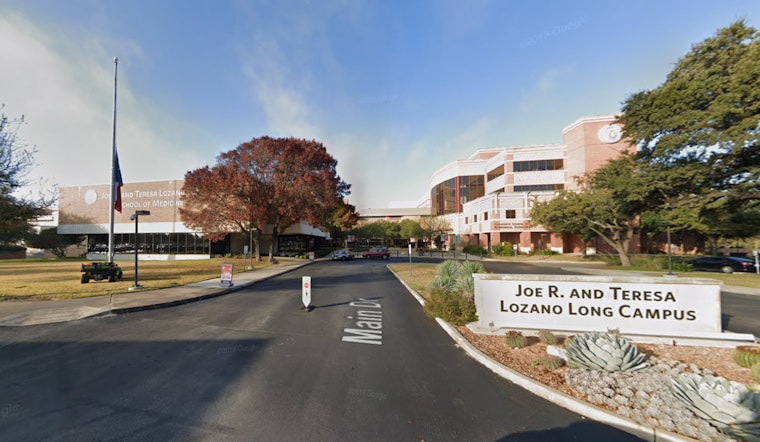
The Lone Star state is making strides in their fight against opioid overdoses as University of Texas Health Science Center at San Antonio overhauls its naloxone distribution system. After facing criticism for erratic supplies and delays, UT Health San Antonio has transitioned from the More Narcan Please program to a more efficient platform, now called Naloxone Texas, managed by Be Well Texas. This shift aims to better serve organizations that provide the life-saving medication to those at risk of opioid overdose, especially the unhoused and people who use drugs.
The Texas Health and Human Services Commission first launched the Texas Targeted Opioid Response in 2017, with UT Health San Antonio stepping in two years later to help distribute naloxone using federal funds. However, the state-funded supply chain hit a wall quickly when they ran out of the cheaper injectable naloxone in 2022. This led to strict rationing and left many community organizations in a bind, struggling to simply maintain their naloxone stocks. Initiatives struggled to adequately prepare for the erratic supply that left them uncertain when the next shipment would arrive.
In an attempt to combat these issues, this year saw some significant improvements. "We have greatly increased the output of naloxone being distributed and been able to fulfill the requests that have come through our door," Jennifer Sharpe Potter, UT Health San Antonio’s vice president for research and Be Well Texas’ executive director, as told Texas Community Health News. She reported that the bulk orders are now shipping within five days, and individuals seeking naloxone can request two-dose boxes via the Be Well Texas website.
Organizations on the ground have noticed the changes. Bret Flores, executive director of the DFW Harm Reduction Access Movement, mentioned an improvement in both delivery times and communication from Naloxone Texas. "At least now they’re letting us know ahead of time we’re not going to get the full order," Flores told Texas Community Health News. Previously, naloxone access had proven to be a guessing game which made it much more challenging for groups to plan their distribution efforts effectively.
Texas moves forward not only with an improved distribution network but also an expanded fiscal commitment to tackling opioid-related tragedies. The use of state funds marks a significant shift after years of reliance on federal grants. The Texas Comptroller’s Office has opened its coffers, now accepting proposals to distribute a part of a $1.6 billion opioid abatement fund. Furthermore, the legislature has earmarked an additional $18 million for UT Health San Antonio to continue purchasing naloxone in the next two years.
While the contractual relationship between UT Health San Antonio and the state is due for reassessment come August, the changes implemented and the expanded fiscal investment speak to the state's recognition of naloxone’s critical role. In its unforgiving grasp, the opioid crisis demands a multipronged counter-attack, where reliable access to reversal agents like naloxone could mean the difference between life and death.





