

























































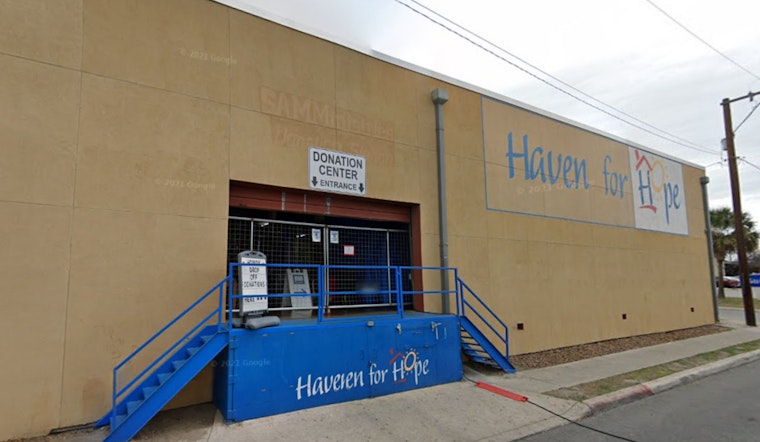
In a recent move to address the nuanced issue of homelessness, Bexar County has teamed up with Haven for Hope to initiate a homeless outreach program in the suburban areas of Leon Valley and Balcones Heights, as reported by the San Antonio Report. With a combined budget of $150,000 sourced from county funds and additional contributions from Leon Valley, this pilot aims to deploy two dedicated outreach workers to the streets where they will directly engage with individuals facing homelessness.
Despite the steady progress in mitigating unsheltered homelessness within San Antonio's boundaries, which has seen a 7% decline, the suburbs tell a different story. Reportedly, a survey conducted in January presented a 7% climb in homelessness across Bexar County at large. Kim Jeffries, president and CEO of Haven for Hope, conveyed to the San Antonio Report the timeliness of this pilot, stating "This is fortuitous that we’re doing [the pilot] now as that population is growing." Especially considering the ordinances like the one in Leon Valley, which effectively make it illegal to be homeless between certain hours, the need for such outreach is pressing.
Ostensibly, the aim is to alleviate the strain on public spaces and communities by offering comprehensive support and resources to those in need. However, the success of this outreach effort hinges on the county’s ability to address larger systemic issues such as mental health and addiction, which remain prevalent among the homeless population. Haven for Hope highlights the loss of vital psychiatric beds with the closure of the Nix hospital in 2019 as a contributing factor to the current situation.
Thus, as Bexar County Judge Peter Sakai expresses the desire to turn the pilot into a permanent fixture, supporters of the program emphasize its role in ensuring public health and safety. "Our partnerships with our suburban cities are necessary to make the biggest public health and public safety impact," Sakai was quoted, acknowledging that the federal coronavirus recovery funds utilized for the program were also an essential ingredient. The San Antonio Report mentions that other agencies are developing complementary initiatives focusing on street medicine and psychiatric care, aiming to build a multifaceted network of support.





