

























































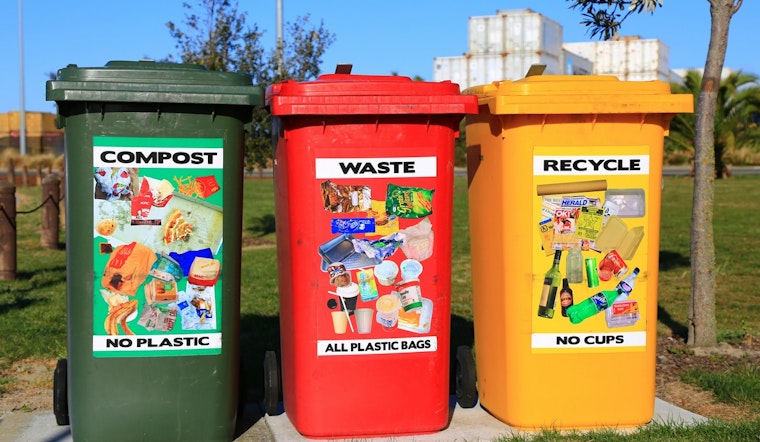
Busting myths and proving that sustainable practices can thrive in our urban spaces, Bloomington officials have hit back against the tide of skepticism surrounding the efficacy of recycling programs. Contrary to the erroneous belief that recyclables merely add to the heap of waste, Bloomington asserts that its recycling system not only functions but flourishes.
According to a recent survey referenced by the City of Bloomington, there’s a significant disconnect between perception and reality, with a striking 20% of respondents doubting the legitimacy of recycling processes. However, the journey of recyclables is a locally rooted one; after leaving the curbside, they embark on a short trip to Twin Cities sorting facilities. Here, amidst a bustle of activity, workers, and machines diligently categorize materials, later selling them predominantly to Midwest markets.
The cycle of repurposing is tangible and immediate. In Paynesville, plastic jugs once brimming with milk or laundry detergent are now reincarnated as components of someone's backyard deck or garden fence. Across state lines, plastic drink bottles and produce containers find a second life in Wisconsin and Ohio, ready to be refilled. There’s a clear trajectory for glass as well, with Saint Paul playing host to sorting operations and Shakopee taking on the role of a manufacturer for new bottles.
Demonstrating this closed-loop system, recycled paper, and cardboard reemerge as the humble containers that sit in our pantries, housing cereal and snacks alike in Saint Paul. Metals harkening back to food cans are transformed, contributing to the structure of wires, car components, and various appliances.
For those looking to dive deeper into the specifics of recycling systems, the City of Bloomington encourages education and transparency. More information is readily available on their website, inviting residents to explore the mechanics and markets of recycling in their region. To learn more about their programs and impact, visit recyclingexists.com.





