

























































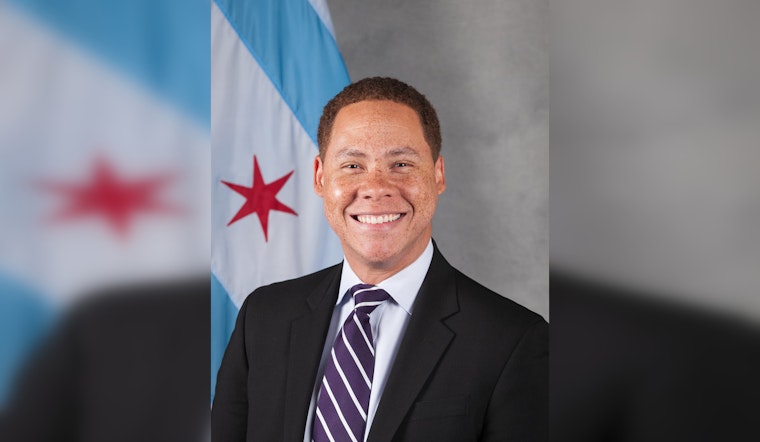
In an effort to reshape campaign finance in Chicago, Ald. Matt Martin (47th) has put forth an ordinance that could significantly amplify the impact of small donors in city elections. According to a recent report by the Chicago Tribune, the initiative proposes to provide matching taxpayer funds to city council candidates collecting small-dollar contributions. Ald. Martin, who chairs the council's Ethics Committee, firmly believes that "Our current campaign finance system is broken," calling for a system less dependent on large special interest donors.
The suggested program stands to quickly bolster candidates who adhere to fundraising restrictions and opt-in to the plan. Eligible candidates could receive up to $200,000 in public money, incentivizing a focus on smaller individual donations. The Tribune explains that successful qualification requires candidates to collect a certain amount under small contributions and to commit to participating in non-partisan debates. By aiming to reduce the control wielded by well-off donors, this measure could potentially level the political playing field.
The Better Government Association provided some context on similar existing initiatives across the country. They note, "New York City and Los Angeles have both had public funding programs in place for decades," with the support suggesting that such measures can encourage engagement with a broader range of voters. Detailed in a piece by the Better Government Association, the ordinance in Chicago would offer a 12:1 match for contributions up to $25 and a 9:1 match for contributions between $25 and $150.
Despite the proposal's potential benefits, it does face significant hurdles. Often, fare delaying tactics like referrals to the council's Rules Committee can indefinitely stall legislation. Moreover, as illustrated by the Tribune, many standing aldermen might find little incentive to back the plan, given their existing ties to large-scale donors. Regardless, public feedback and the support of various advocacy groups suggest that the push for publicly funded elections has gained significant traction in the discourse around local governance.
Looking ahead, Ald. Martin hopes that the program can be implemented by the 2027 municipal election cycle. His optimism reflects a broader trend towards publicly funded elections in other major cities, with positive outcomes in terms of increased participation and representation. As reported by the Better Government Association, nearly 80% of Chicagoans voiced support for limited public funding on a 2015 ballot question. Furthermore, "If people are concerned about unfettered access that’s handed to a handful of people, let’s implement public financing," Mayor Brandon Johnson urged, encapsulating the reform's overarching goal – to prioritize the many over the few.





