

























































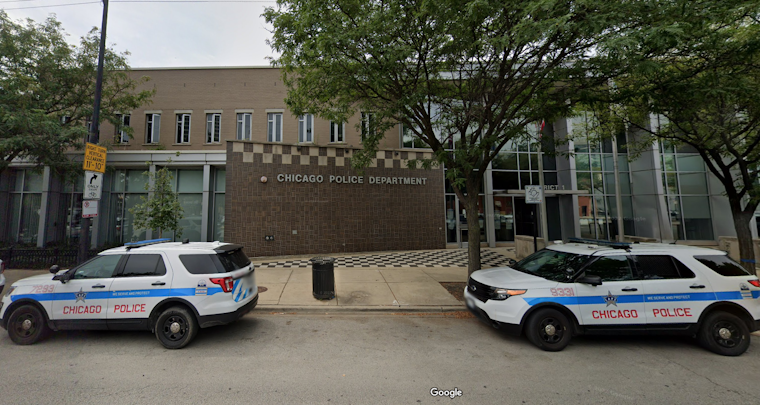
Chicago's policing landscape is set to undergo a change, with a new policy banning officers from joining extremist groups slated to come into effect this Saturday. Yet, despite the implementation of this policy, concerns have been raised over its effectiveness and comprehensiveness. According to a report by the Chicago Sun-Times, the Chicago Police Department's registry excludes any far-right groups, listing only street gangs. The policy's omission of specific hate groups has sparked criticism, with Inspector General Deborah Witzburg expressing fears that it could lead to accountability issues for officers with ties to such organizations.
Adding to the concern, the CPD's decision not to list groups like the Ku Klux Klan, Proud Boys and Oath Keepers, which have been associated with CPD officers in the past, suggests a possible gap in the policy's reach. "We do not want to be in a situation where a CPD member could point to this list and say, ‘Well, the KKK does not appear among the enumerated groups, and therefore there’s no problem with my affiliating with that group,’" Witzburg highlighted. This statement points towards an urgency to fill in the blanks lest, officers find loopholes to skirt around the regulations.
The policy is broad, prohibiting "active participation" in criminal or biased organizations, a designation which falls to the Bureau of Counterterrorism to define. Despite the criticisms, some, like Anthony Driver, who is the head of a new civilian police oversight panel, believes that the policy's language is sufficient to discipline cops with extremist associations. "No matter what the name of the organization is, if it fits the description that is laid out in our general order, an officer could be disciplined if they’re associating with that particular group," Driver explained to the Chicago Sun-Times.
In the backdrop of these discussions and policy revisions, history hangs heavy. A series of investigations titled "Extremism in the Ranks" had previously exposed the department’s wrestling with internal extremism, leading to an internal investigation into the influence of groups like the Oath Keepers. However, in a puzzling turn, CPD officials cleared several officers who acknowledged joining the militia group, of any wrongdoing in April, as per reports by the Chicago Sun-Times. The Southern Poverty Law Center and local community leaders continue to challenge these decisions, underscoring the discord between the dedication to serve a diverse city and the affiliations that some of its protectors might hold.
As Chicago awaits the enactment of this policy, the questions circle back to its efficacy and whether it can indeed keep the city's promise of a fair, bias-free police force. "The existence and the applicability of those rules don’t change with the advent of this new policy," Witzburg told the Chicago Sun-Times, as she maintained a stance that existing department rules, if enforced, were adequate to discipline cops with extremist ties. Meanwhile, the broader implications of the policy, and the ability of the CPD to stand against its internal demons, will be seen in the coming days as the policy takes effect, a subject that the Spotlight Politics team has highlighted on WTTW News.




