

























































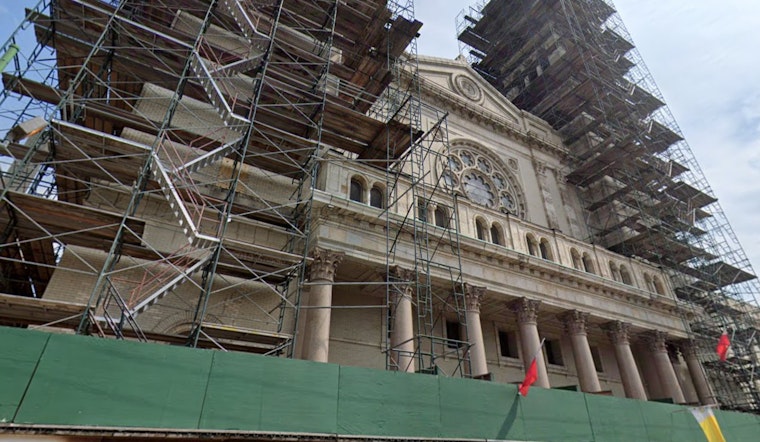
The long-standing battle over the fate of Pilsen's St. Adalbert Church took a significant turn as the Commission on Chicago Landmarks unanimously voted to recommend the 110-year-old edifice for landmark status, a move that may shield the building from demolition and major alterations to its Renaissance Revival-styled facade. The traction gained by this effort has come after years of determined advocacy by former parishioners and community members, though the decision has been met with resistance by the Archdiocese of Chicago, which fears such a designation could impose financial burdens and complicate the sale of the property, according to the Chicago Sun-Times.
Thursday's vote at City Council chambers unfolded amid interruptions, the gallery echoing with emotion from both sides supporters who see the church as the "spirit of the community," as expressed by Ald. Byron Sigcho Lopez, and those opposed—predominantly the Latino congregants of St. Paul's Church which absorbed St. Adalbert's congregation, who have concerns regarding the economic strain it could bring. Voices raised in contentious clamor, the meeting reflected a community grappling with change, its Polish and Latino constituents pitched into a reluctant lockstep by the tension of preserving a heritage while facing the relentless push of present-day financial realities; this was echoed in the tumultuous tenor of the proceedings, the Chicago Tribune reported.
The Archdiocese has not been silent about its opposition to the landmark status, citing concerns over the financial viability of other local churches if St. Adalbert's is not monetized. Jim Geoly, representing the Archdiocese, stated their position clearly, "We're at risk. If this comes out the wrong way, the future ministry in Pilsen is at risk. St. Paul’s is not sustainable if they cannot monetize this asset," as reported by the Chicago Tribune. The landmark status, if approved by the full City Council following a subsequent Zoning Committee vote, would impose a series of restrictions and landmarks commission reviews on any redevelopment efforts; these efforts aim to protect the church complex's significant architectural features.
However, amid the soul-shaking cleft that this issue has cleaved throughout the community, the tapestry of Pilsen's narrative tells a broader story, representations of the church complicate as testimonies stretch the fabric of unity thin, the building itself exposed to the elements, its facade now clad in scaffolding, revealing the physical and metaphorical cracks in the community's shared edifice, as former parishioners hold on to the hope of reviving St. Adalbert Church for future masses, even as—according to Geoly—the building stands "unusable" and "not entirely safe," as reported by the Chicago Tribune.
As the drama continues to unfold, it is evident that the architectural grandeur of St. Adalbert's is more than just stone and mortar; to many, it embodies the spirit of a people and an era that is fighting to keep its place in the fabric of Chicago's history. The journey of St. Adalbert's towards landmark status has invoked robust civic participation and brought forth the divergent, deeply-held convictions of a dynamic community the Chicago Tribune observed. The final decision now lies with the City Council, which bears the weight of this historic chapter’s resolution.





