

























































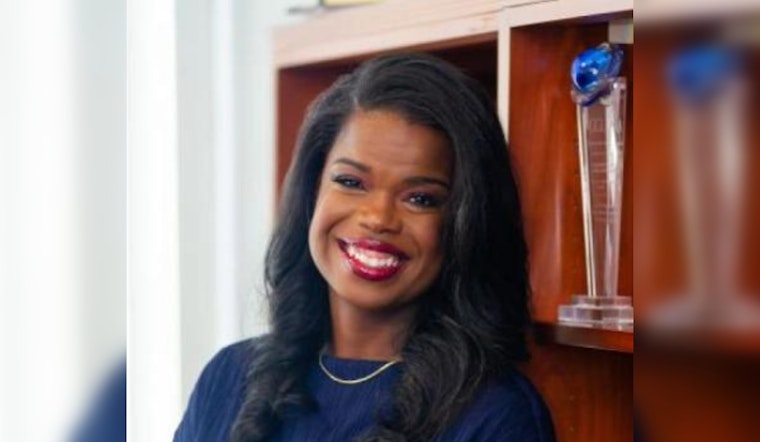
Cook County State's Attorney Kim Foxx has presented a proposal to alter the prosecution of certain crimes associated with traffic stops, a plan which is currently under a magnifying lens given its potential consequences on community and law enforcement relations. This comes in the wake of a fatal police stop in March concerning Dexter Reed, suggested changes by Foxx include declining to press charges in drug, gun, and theft cases that emerge from traffic stops without additional probable cause, according to WTTW News.
With Foxx set to depart from her role in less than six months, the initiative reflects an ongoing effort to address what appears to be an enduring issue of biased policing. As the data underscore, Black and Latino motorists are subjected to traffic stops inordinately more often than their White counterparts, statistics that echo the broader narrative of racial imbalance within the criminal justice system. Foxx acknowledged that the disproportionate number of stops rarely leads to substantial charges, stating, "There's only one arrest for every 1,000 of these traffic stops," she told WTTW News.
The proposed changes follow a similar vein to those enacted in other jurisdictions that have reported success, not just in the decline of pretextual stops but also in rebuilding trust within the communities. This correlation is spotlighted by an independent study referenced by John Choi, the top prosecutor in Ramsey County, which saw a significant drop in minor violation stops, particularly among Black drivers, after introducing a comparable policy, as reported by the Chicago Sun-Times.
Critics, however, remain wary of the potential implications of Foxx's strategy, with Brian Sexton, a former prosecutor, predicting the measures could stymie police investigations and inadvertently escalate crime. However, defenders of the initiative such as Shay Allen, another criminal defense attorney and former prosecutor, have contended that it's imperative for re-establishing community trust in law enforcement, emphasizing that preconceived gut feelings have no standing in constitutional law, according to discussions with the Chicago Sun-Times.
The debate over Foxx's proposal, which she has clarified does not interfere with charges stemming from clear safety violations or serious crimes such as homicide or sexual assault, coincides with a federal court order expanding the oversight of the Chicago Police Department's practices, with Foxx indicating approval of the measures, focusing on officers' adherence to the Fourth Amendment. She expressed in an interview with WTTW News that the consent decree initially aimed to curtail stop-and-frisk incidents, and its expansion into traffic stops is a continuation of preventing substitution of one unconstitutional method of policing for another.
As Chicago anticipates the next State's Attorney to take the reins, the contentious issue of equitable law enforcement and prosecutorial discretion will persist, with candidates alluding to varying stances on the proposed changes. Meanwhile, Kim Foxx maintains that pursuing racial equity and fairness within the justice system cannot wait, her efforts undergird a broader movement seeking reform to ensure that law enforcement interventions are balanced, justified, and free of bias.




