

























































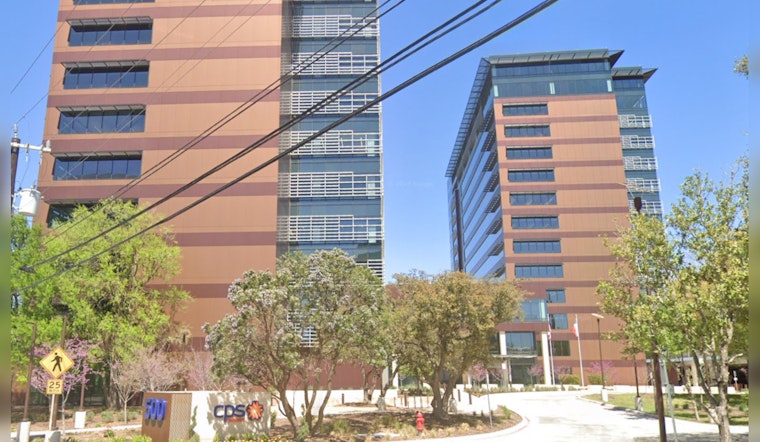
In a unanimous decision that underscores the shifting tides of utility leadership compensation, CPS Energy's board of trustees has greenlit a substantial 13.2% pay raise for President and CEO Rudy Garza. This increase boosts Garza's salary to $742,000 annually, up from his starting salary of $655,000 when he took the helm in September 2022, as reported by the San Antonio Report.
The approval didn't stop at the raise, Garza is also set to receive a deferred bonus that could equal up to 10% of his base pay each year, culminating at the end of his current contract in January 2026. This move aligns CPS Energy's compensation structure with that of the San Antonio Water System, where President and CEO Robert Puente has been receiving similar deferred payments since 2021. However, notable is the board's postponement of decisions regarding the metrics for Garza's performance evaluation until the following month, with Trustee John Steen requesting additional review time, as noted in the same report.
The conversation surrounding executive pay at public utilities has been fraught, and recently, Garza's increase situates his income squarely at the median for municipal utility CEOs based on base pay alone. This adjustment takes on extra weight considering CPS Energy had ceased its executive bonus program in 2020, which previously would have awarded $13 million in bonuses to about 1,800 staff members amid the onset of the pandemic.
While the newly approved pay structure marks a departure from recent policy, it is not without its detractors and advocates. Trustee Willis Mackey emphasized, prior to the vote, that comparing Garza's compensation to his peers in the industry reveals his pay as "a fraction of the average for CEOs" in similar roles. Yet, Trustee Steen expressed discontent with the elimination of at-risk pay suggesting, however, that its absence might have contributed to the utility's concerning retention numbers within its executive ranks. Even amidst differences of opinion, Chair Janie Gonzalez defended the exits as voluntary—"Seven C-suite executives are no longer here, but those were self-selected resignations," Gonzalez told the San Antonio Report.
With the past as prologue, Garza hinted at the possibility of reinstituting some sort of performance incentives down the line, claiming ongoing discussions with the board and employees to forge a path forward. "The worst thing you can do is create an incentivized system that doesn’t incentivize, so there’s a reason why we haven’t bought it back," Garza expounded after the Monday board meeting. The shape of such a system, if any, remains under deliberation.





