

























































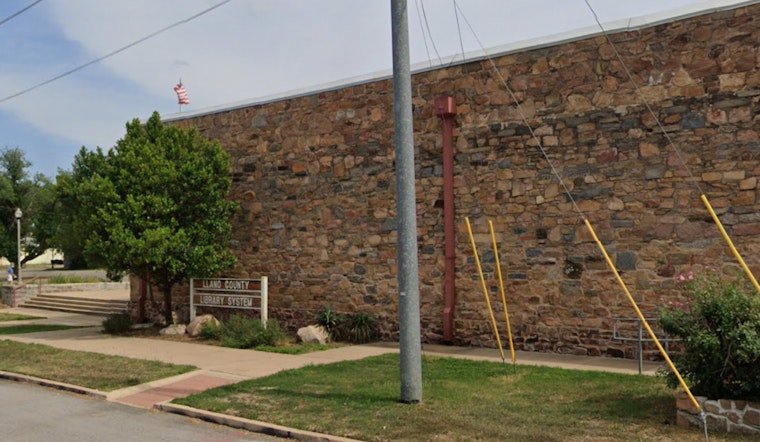
In a significant development from Llano County, Texas, the contentious removal of 17 books from local library shelves has met with a new adjustment following a federal appeals court ruling. Highlighting the ongoing debate over censorship and the responsibilities of public libraries, the court decreed the reinstatement of eight books previously banned on topics ranging from racism to transgender issues. This decision stems from a lawsuit filed by seven library patrons against county officials and the Llano County library system.
Last year, the books vanished from the shelves in a move that sparked lawsuits and questions about the boundary between community standards and First Amendment rights. The three-judge panel of the 5th U.S. Circuit Court of Appeals, albeit not unanimously, has found a majority in favor of putting eight of the books back in public view, as The Texas Tribune reported. The diverse titles in question include works such as "They Called Themselves the K.K.K: The Birth of an American Terrorist Group" and "It's Perfectly Normal: Changing Bodies, Growing Up, Sex and Sexual Health".
U.S. District Judge Robert Pitman, an Obama appointee, initially ordered the books' return last year, a decision that had been stayed pending the appeal. Judge Jacques Wiener, appointed by former President George H.W. Bush, authored the prevailing opinion, stating, "But a book may not be removed for the sole — or a substantial — reason that the decisionmaker does not wish patrons to be able to access the book's viewpoint or message." A partially agreeing Judge Leslie Southwick suggested that some removals could stand as the case unfolded, distinguishing between those books he perceives to hold "juvenile, flatulent humor" and the weightier matters at stake.
However, Judge Stuart Kyle Duncan, a Trump nominee, stood in stark contrast with his colleagues, dissenting on the involvement of judges in decisions he believes should fall within the purview of local libraries. Duncan wrote sharply, "The commission hanging in my office says 'Judge,' not 'Librarian.'" It appears, however, that the majority opinion has set a precedent impacting federal courts across Mississippi, Louisiana, and Texas. As local libraries await further proceedings, the partial injunction places the discourse surrounding censorship and educational resources into the hands of the wider community. And in a library caught in the tangle of litigation, the missing books, upon their return, will once again offer their silenced narratives to those who choose to hear them.
Those interested in the future of public library offerings and the debates they spark won't want to miss the Texas Tribune Festival, set for September 5–7 in downtown Austin. This gathering promises to delve into today's most pressing issues, and with the recent ruling in Llano County, these conversations have never been more relevant.





