

























































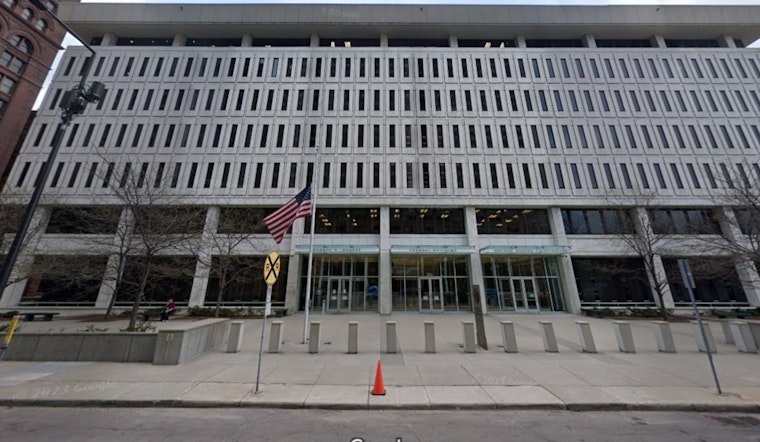
Minneapolis streets witnessed a significant law enforcement action as ten alleged gang members faced federal charges for possession of illegal firearms and drug trafficking. The individuals, reportedly affiliated with the 10z and 20z street gangs, have been indicted following investigations by the Minneapolis Police Department and the FBI. The gangs, known for operating in south Minneapolis, particularly around Peavey Park, have now drawn federal attention due to their activities, which authorities have linked to violent crime in the metropolitan area.
Charges against the group include offenses related to illegal firearms and the distribution of narcotics such as fentanyl, cocaine, and methamphetamine. Among those charged is a man accused of possessing a machine gun, while another faces the combined charges of firearm possession as a felon and possession with intent to distribute various drugs. U.S. Attorney Andrew M. Luger underscored the threats posed by "violent criminals who carry guns" and reaffirmed the commitment of federal resources, to safeguard the community. He expressed, "Our federal resources are focused on holding accountable those who threaten the safety of our communities. My message to the community: We are working for you, for your families and your children, to make sure violent crime continues to drop and we can all enjoy our beautiful cities this summer," as reported by the U.S. Attorney's Office.
The ten defendants face serious federal charges in which possession of a firearm by a felon is a common thread for several members of the group. The individuals, all presumed innocent until proven guilty, are currently under the scrutiny of the judicial system as their cases move forward. Assistant U.S. Attorney Kristian C.S. Weir is tasked with the prosecution proceedings, representing the interests of the public and the enforcement of federal law.
Community response to the indictments has yet to fully manifest, but the arrests have sparked conversations about gang violence, and the ongoing struggle to combat it in American urban centers. The federal charges laid out, serve as a reminder of the complex battle between law enforcement and criminal networks, and the enduring effort to maintain public safety in communities vulnerable to the scourge of drugs and gun violence. The outcomes of these cases may well impact the approach and resources invested in preventing organized crime within the city limits of Minneapolis and beyond.





