

























































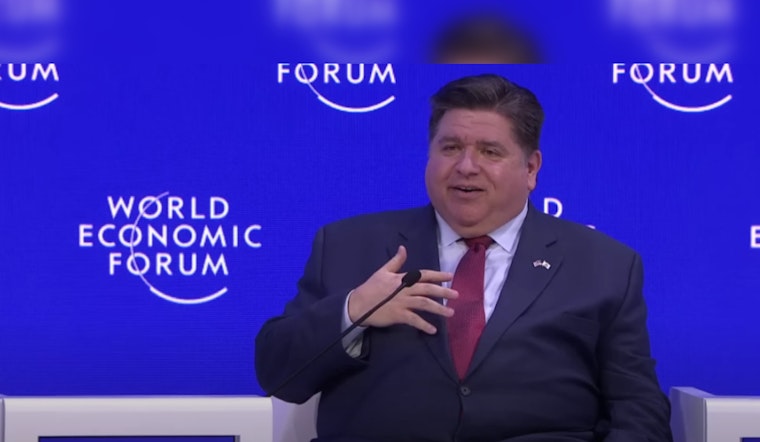
Gov. J.B. Pritzker, dismissing concerns about disunity within his own party, has affixed his signature to Illinois’s ambitious $53.1 billion budget. In what was a more subdued ceremony compared to previous years, Pritzker, alongside key members of the Democratic leadership, emphasized the fiscal solidity of the state amidst the largest budget it has ever seen. According to the Chicago Sun-Times, the optimistically received spending plan draws on $1.1 billion in revenue and incorporates several tax initiatives, including a child tax credit aimed at providing support to families with children under 12 who receive earned income tax credits.
The budget's nod to societal welfare extends to various sectors including an injection of $198 million into the "Rainy Day Fund," a commendable $14 million for crafting a new department of early childhood, and a notable $500 million toward the creation of a quantum computing campus. Despite the budget embellishing these new programs, some lawmakers expressed disappointment over the tax hikes included and the reluctance from Pritzker’s office to trim overall government spending. Nonetheless, as the Chicago Tribune reports, Pritzker maintains that "Our tax cuts, debt reductions, grants, and scholarships are providing breathing room and support when people are feeling the pinch of inflation."
While Republicans have sharply criticized the budget for what they see as a prioritization of migrants and a disregard for meaningful cuts, Democrats focus has been on provisions they argue will boost the state's economic well-being and quality of life. In a counter to the Republican critique, the governor’s office highlighted the tax benefits for businesses, emphasizing the modified net operating loss deductions as a measure of sowing tax savings for corporate entities. Moreover, they pointed to the enhancement of Illinois' business environment through extensions of tax credits provided to research, development, and quantum companies.
Concern over the state’s financial path persists amidst the rosy outlook presented by Democratic leadership. A $730 million fiscal cliff for Chicago-area public transportation looms ominously on the horizon, a challenge compounded by the state’s escalating pension crisis. As Pritzker fielded questions, he reassured citizens, stating, "I certainly will make sure that it gets a hearing, and I expect that we’ll be able to do something that will put us in even better fiscal shape than we already are in," a sentiment echoed by officials committed to the fiscal gymnastics required in the years ahead.
The intricate balancing act of Illinois’s financial future now rests on the dispersion of this budget, with key elements such as tax reforms, focuses on education, health care, and infrastructure set to form the scaffold upon which the state's economy will either rise or fall. As the budget implementation and its accompanying revenue bills edge toward their deadline before the new fiscal year on July 1, Illinois watches and waits to witness the tangible effects of its leaders’ economic visions and decisions.





