

























































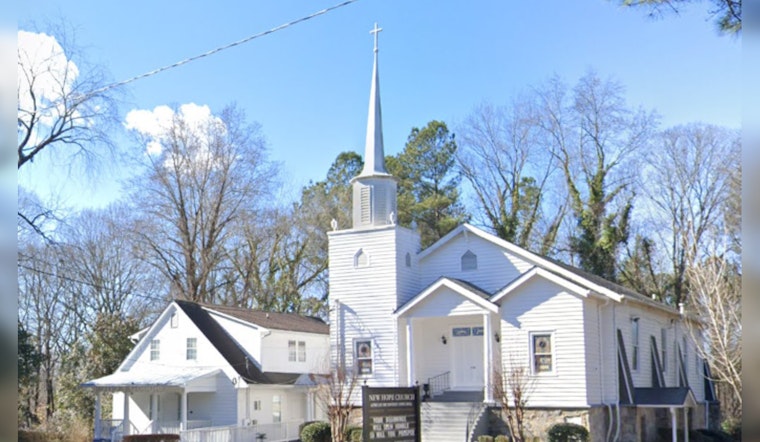
Stepping into the New Hope African Methodist Episcopal Church in Buckhead, Atlanta, one might not immediately grasp the full weight of history held within its walls. But Pastor David F. Richards III assures that a profound legacy thrives in this spiritual haven amid a neighborhood of opulence. As reported by WABE, the church commemorates a significant milestone this year—its 155th anniversary. Richards speaks of an almost palpable spiritual presence, attributing it to the "kings and queens who were taken from Africa, forced into labor, cleared the land, planted crop tobacco, planted cotton, built this country."
Built on a history that dates back to 1869, the church’s origins trace to emancipated African Americans who would gather at "camp meetings" at the New Hope Campground. By the act of a Buckhead farmer, James H. Smith, the church found its permanent grounds through his will, which allocated three acres for the benefit of "colored persons." Despite facing destruction by fire in 1927, a testament to resilience was seen in the congregation's efforts to rebuild and maintain their place of worship, which still stands on that original Smith-willed land, as per WABE.
Faith and remembrance run deep in the community fostered by New Hope AME Church. In an intimate sit-down with "Closer Look" show host Rose Scott, Richards shared his belief in the unbroken spiritual and familial ties binding present and past congregations. Burdened with the legacy, fifth-generation descendants of those who architected not just the physical church but the community it serves continue the traditions of their forebears. The church's first pastor, Rev. Roland Worsham, is remembered in their sanctuary, a stained window bearing his name, a former enslaved man who departed a freeman.
Insight into the church's navigation through recent tribulations, including the Covid-19 pandemic and racial tensions following George Floyd's death, was shared by Richards. Affirming the enduring importance of prayer and unity among faith leaders, Richards emphasizes continuous dialogue as key in addressing long-standing geopolitical conflicts, such as the Israel-Hamas war. He told WABE, "This has evolved over thousands of years."
The significance of legacy is further anchored across the street in a cemetery where WWII soldiers rest alongside the church’s founding pastor. Showcasing the gravestones to Scott, Richards explained the importance of these hallowed grounds—not merely as a burial site but as hallowed archives of communal remembrance and honor. The stones here are not mere markers of death, but beacons of life—a history written with the indelible ink of sacrifice and endurance. Concluding his reflections, Richards pointed to the church's stone foundation, emphasizing the role of those who endured hardships yet laid down both literal and metaphorical foundations for future generations, connecting them to a past of struggle and a future of hope: "We must remember," as reported by WABE.





