

























































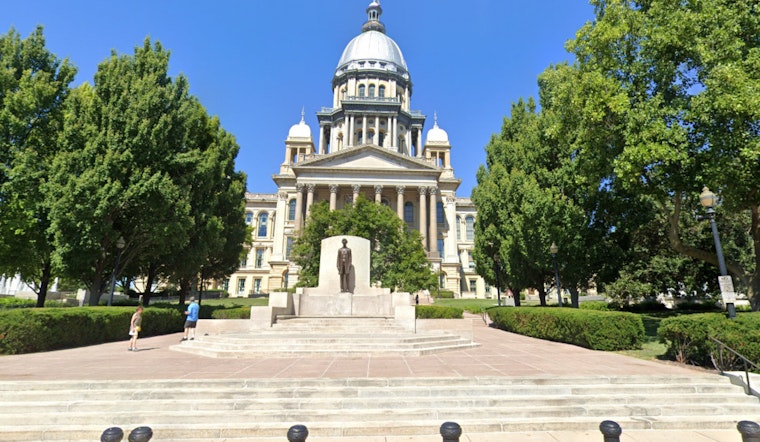
Springfield was abuzz as Governor JB Pritzker put pen to paper on the fiscal year 2025 state budget, notching a landmark $2.6 billion for higher education — a $76 million boost from last year, as reported by Illinois.gov. The incremental increases, detailed to include $24.6 million for public universities and $5.9 million for community colleges, aim to drive both institutions towards a brighter future of learning and innovation.
Amid the scattered financial commitments, the budget carves out a critical $575 million for the physical heart of education, according to Illinois.gov, destined for campus infrastructure overhauls needed to create top-tier educational environments. Signed in 2019, the reported Rebuild Illinois capital program stands as the scaffolding behind this ambitious architectural feat.
The ongoing fiscal narrative sees Illinois champion higher education like few states do. For a bit of perspective, the 2024 education budget was the biggest in 20 years, and now, 2025 has followed suit, further padding the sector's financial cushion. In words echoed by Illinois Board of Higher Education (IBHE) Chair Pranav Kothari, the plan tees up to dissolve barriers to higher learning, equipping the state with an inclusive economy ready to take on tomorrow.
With an eye on the horizon, the budget also provisions for the Early Childhood Access Consortium for Equity (ECACE) scholarships — previously riding on federal finders and time, now bolstered by new state dollars, as per details from Illinois.gov. Expected to push MAP funding to $1 billion in 10 years, the state currently celebrates a substantial 77% uptick from 2019.
Identifying the moves as more than just numbers, Illinois Student Assistance Commission (ISAC) Executive Director Eric Zarnikow remarked on the budget's empathy. The additional funds are not just transforming the financial landscape for students in Illinois but are the keys to unlocking futures previously deemed unattainable. The Illinois Community College Board (ICCB) Executive Director Brian Durham also highlighted the impact of increased state investment in community colleges for workforce development, a commitment showing tangible benefits across various industries.
To wrap up, the disbursement of fiscal year 2025's budgetary boon appears multidimensional: $50 million for the AIM HIGH program, $30 million designated for workforce development grants, and additional millions carved out for scholarships and minority teacher support. Combined with the $575 million set aside for refurbishing the state's educational estates, Illinois seems staunch in its commitment to education — both in terms of dollars and sense.





