

























































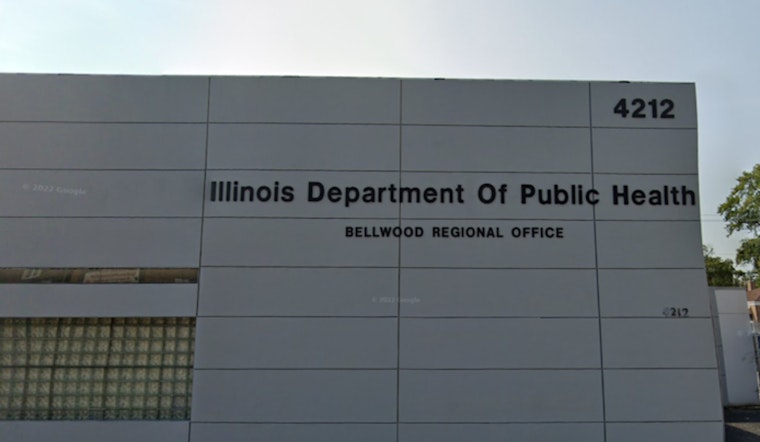
In a strategic move to combat the sharp increase in congenital syphilis cases in Illinois, the state's Department of Public Health (IDPH) has upgraded its data collection methods with a new online form, as reported by illinois.gov. This digital initiative aims to quicken the process of gathering detailed clinical information about infected individuals, particularly prioritizing cases where the patient is pregnant, to ensure timely and critical intervention.
The rise in cases is stark, with IDPH reporting a disturbing climb from 29 congenital syphilis cases in 2020 to over a hundred cases in 2023, a tripling that puts numerous infants at risk of serious health complications or death— and the rise in cases is alarming, it necessitates swift and effective action to prevent further tragedies. Dr. Sameer Vohra of the IDPH emphasized the importance of this move, saying, "Every child born in Illinois can and should be protected from acquiring congenital syphilis," according to the Illinois government's press release. The online reporting form is set to replace a slower mandatory reporting process and is designed for use by providers outside of Chicago, as those within the city report to the Chicago Department of Public Health.
The IDPH has also already initiated other resources, notably the Perinatal Syphilis Warmline, which offers expert clinical guidance for prenatal healthcare providers over the phone. Congenital syphilis, which results from untreated syphilis in a pregnant person, can be devastating, causing miscarriages, premature delivery, low birth weight, or even infant death. The IDPH underlines the importance of timely syphilis testing and treatment for pregnant individuals to prevent these adverse outcomes. Medical providers now face the challenge of dealing with a Bicillin shortage, the primary medication for treating syphilis in pregnant women and newborns, which makes prioritizing treatment and management of existing supplies even more essential.
In response to the congenital syphilis crisis, the IDPH is advocating for increased syphilis screening across all medical facilities including urgent care, emergency departments, and prenatal care settings, as reiterated in the press release. Illinois law mandates screening for syphilis infection at the first prenatal visit and again in the early third trimester, to allow for treatment at least 30 days before delivery, which is critical to preventing the transmission of congenital syphilis. Additional testing at the time of delivery is also recommended, especially in high-risk scenarios. Medical professionals are urged to follow the CDC treatment guidelines diligently, particularly due to the ongoing Bicillin shortage, ensuring that those most at risk receive the care necessary




