

























































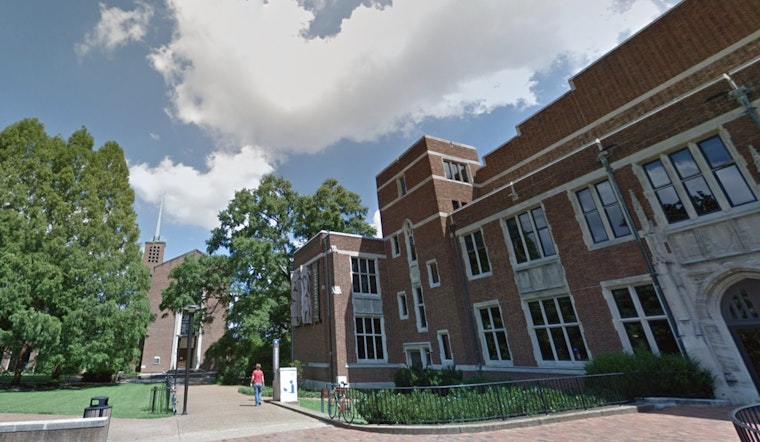
More than two months following the arrest of Nashville Scene reporter Eli Motycka at Vanderbilt University, a commissioned independent review has delivered its results. Handled by Nashville attorney Aubrey B. Harwell Jr., the investigation's findings were made public, revealing several recommendations for the prestigious institution, as reported by WSMV. Key among the recommendations: the need for better clarity on media access policies and enhanced communications between the university staff and the Vanderbilt University Police Department (VUPD).
On a fateful day in March, Motycka was arrested while attempting to cover a student sit-in protest at Vanderbilt. This incident sparked controversy, putting the university's commitment to First Amendment rights under scrutiny. The report eventually concluded Motycka's arrest "was not done to impede or prevent a reporter from covering the protest and, thus, was not contrary to its values to support and encourage the First Amendment freedoms of speech, assembly, and press," as detailed by WKRN. Despite this, the university acknowledged the need for improvements and opted to take action on the insightful suggestions provided.
Caught within the chaos of the protest, Motycka had texted a Vanderbilt communications officer expressing his presence on campus and later inquiring about university contact for the sit-in. Official statements claim that, while his intention was to report, he repeatedly attempted to access a closed building, leading to his arrest on grounds of criminal trespassing. Inconsistent with the Vanderbilt's practice to avoid arrests without a chain-of-command authorization, the arresting officer believed he had his superior's sanction—this amid discrepancies in policy communication and implementation.
The reverberations of the arrest were felt throughout the local community and academia, prompting widespread criticism and condemnation. More than 150 faculty members signed letters decrying the action, aligning with the sentiment of the local government officials. The Future of Free Speech project, residing on Vanderbilt’s campus, decried the arrest as "a disproportionate response," echoing the sense of discord with the reporter's detainment, as described by The Tennessean.
Presently, in light of the report's recommendations, Vanderbilt University faces the task of crystallizing its media policy. According to Chancellor Daniel Diermeier in an interview, a resolve exists "to make sure ... that there's no misunderstanding, with respect to reporters, what our media access policy is." The report urges the University to develop and publicize a formalized media access policy, ensuring such misunderstandings remain a relic of the past, and to provide a clear recourse for media contacts and inquiries. This response aims to mend fences and reaffirm the institution's dedication to the First Amendment principles of free speech and free assembly in a tangible and transparent manner.




